
Table of Contents
What Is Moringa Oil?
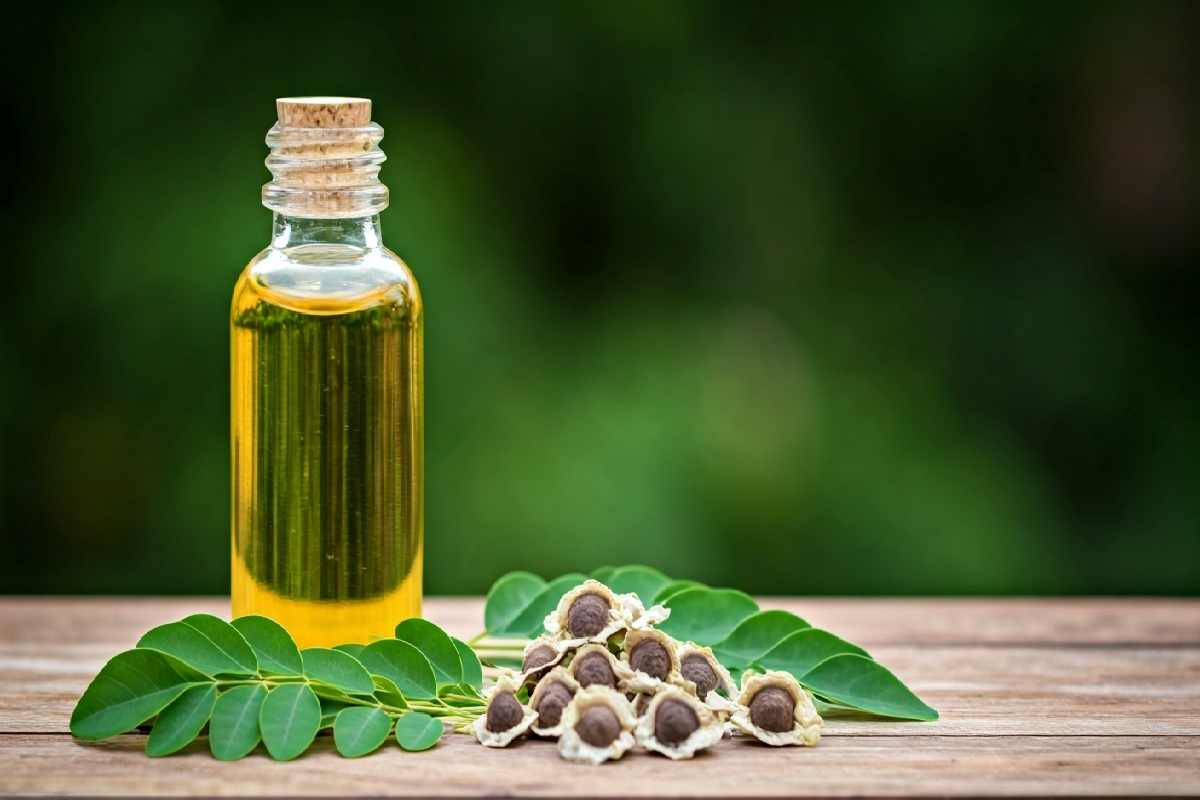
Moringa oil is a light, nutty‑smelling oil pressed from the seeds of the moringa tree, often called the “drumstick tree” or “miracle tree.” It is rich in fatty acids and antioxidants, which makes it popular in skincare, haircare, and natural wellness routines.
How Moringa Oil Is Made
Moringa seeds are collected from the tree’s long pods, dried, and then cold‑pressed to extract the oil. Cold‑pressed moringa oil is usually considered the highest quality because it keeps more of the natural nutrients and has minimal processing.
Key Nutrients in Moringa Oil
High in oleic acid, a fatty acid that helps soften and moisturize dry skin.
Contains antioxidants like vitamin E and plant compounds that can help fight free‑radical damage.
Has natural anti‑inflammatory properties, which may calm irritated or stressed skin when used correctly.
Benefits for Skin
Moringa oil is especially loved by people with normal to dry or mature skin.
It helps lock in moisture and can leave the skin feeling smoother and more supple without a greasy finish when used in small amounts.
The antioxidant content may support a more even‑looking skin tone and help protect the skin from everyday environmental stress, such as pollution.
Some people use it to soften fine lines and dry patches, although it should not be seen as a replacement for professional anti‑ageing treatments.
How to Use Moringa Oil on the Face
Apply 2–3 drops of moringa oil on slightly damp skin after cleansing and toning, either alone or mixed with your regular moisturizer.
For oily or acne‑prone skin, it is usually better to use it a few nights a week instead of every day and always patch‑test first.
Avoid the eye area if you tend to be sensitive there, and stop using it if you notice any redness, itching, or breakouts.
Benefits for Hair and Scalp
Moringa oil can also be useful in haircare, particularly for dry lengths and flaky scalps.
It helps smooth frizz and adds a soft shine when applied to the mid‑lengths and ends of the hair.
A gentle scalp massage with diluted moringa oil may help loosen dry flakes and support a healthier‑looking scalp barrier.
Because it is quite rich, it is best used sparingly or as a pre‑shampoo treatment to avoid weighing hair down.
How to Use Moringa Oil on Hair
As a pre‑shampoo treatment, massage a small amount of oil into your scalp and hair, leave it on for 20–30 minutes, then shampoo thoroughly.
As a finishing oil, rub one drop between your palms and lightly smooth it over dry ends to tame frizz and add shine.
Curly and coily hair types often benefit from slightly more product than very fine or straight hair.
Other Possible Uses
Body oil: Apply after a shower on damp skin to lock in moisture, focusing on rough areas like elbows, knees, and heels.
Cuticle care: Dab a tiny drop on nails and cuticles to help soften and reduce dryness.
DIY blends: Many people mix moringa oil with lighter carrier oils, aloe gel, or essential oils (properly diluted) to create custom treatments.
Who Should Avoid or Be Careful With Moringa Oil?
Most people tolerate moringa oil well, but everyone’s skin is different.
People with very sensitive or acne‑prone skin should always patch‑test on a small area for a few days before using it on the whole face.
If you have a history of nut or seed allergies, talk to a dermatologist or health professional before using moringa oil regularly.
Anyone under medical treatment for skin or scalp conditions should check with their doctor before adding new products.
How to Choose a Good Moringa Oil
Look for labels that say “cold‑pressed”, “unrefined”, and preferably mention the plant’s scientific name, Moringa oleifera.
Choose brands that share where their moringa is sourced and use dark glass bottles to protect the oil from light.
Store it in a cool, dry place and use it within the recommended period to enjoy the best quality.
Moringa oil FAQs
1. What is moringa oil used for?
Moringa oil is mainly used for skincare and haircare because it helps moisturize, soften, and protect the skin and hair. Some people also use food‑grade moringa oil in cooking as a source of healthy fats.
2. Is moringa oil good for the face?
Yes, moringa oil can be good for the face when used in small amounts, especially for normal to dry or mature skin. It contains fatty acids and antioxidants that help lock in moisture and support the skin barrier.
3. Can moringa oil clog pores or cause acne?
Moringa oil is generally considered light and non‑comedogenic, meaning it is less likely to clog pores for many people. However, acne‑prone or very oily skin can still react, so it is important to patch‑test and start with a very small amount.
4. Is moringa oil safe for sensitive skin?
Moringa oil is often well‑tolerated and can be soothing, but sensitive skin can sometimes react to any new product. Always test it on a small patch of skin for a few days and stop using it if you notice redness, itching, or a rash.
5. How do I use moringa oil on my hair?
You can massage a little moringa oil into your scalp and lengths as a pre‑shampoo treatment, leave it on for 20–30 minutes, then wash it out. Another option is to use a drop on damp or dry ends to reduce frizz and add shine.
6. Can moringa oil help with dandruff or dry scalp?
Because moringa oil is rich in nourishing fatty acids and has soothing properties, it may help calm dryness and flakiness for some people. If you have persistent dandruff or scalp issues, talk to a dermatologist before relying on any oil as treatment