
Changes in your hair, skin, or nails are easy to notice, but they’re not always easy to explain. Hair may start shedding more than usual, nails can become brittle, and skin can suddenly look drier or more irritated than it did a few months ago. It’s tempting to treat each problem separately with a new shampoo, serum, or supplement. Sometimes that makes sense, but it’s also worth considering what’s happening with your diet.
Nutrition isn’t the explanation for every beauty concern, and these changes can have many causes. Still, your hair, skin, and nails all depend on adequate energy, protein, vitamins, and minerals to grow and maintain themselves. If your diet has changed significantly, that can sometimes show up on the outside as well.
Table of Contents
Protein Is Important for Hair and Nails
Hair is made primarily of keratin, a structural protein, and nails are largely made from the same material. That means adequate protein is one of the basic nutritional requirements for maintaining them. This can become relevant when someone is eating significantly less than usual, following a restrictive diet, losing weight quickly, or simply not including many protein-rich foods in their meals.
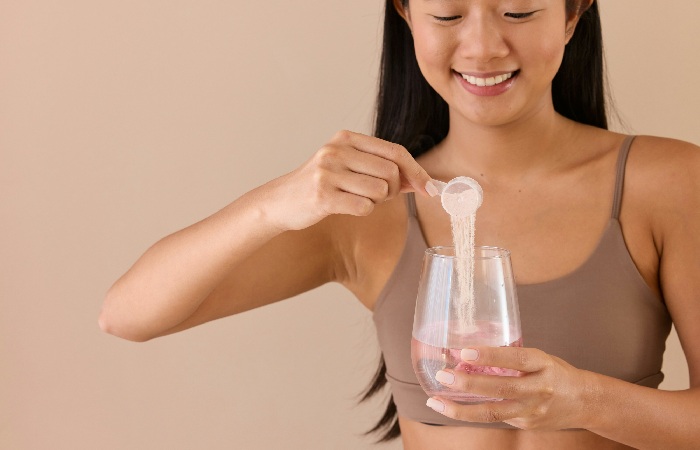
There is no need to build your diet around protein shakes, though. Eggs, Greek yogurt, cottage cheese, fish, chicken, tofu, beans, lentils, and other protein-rich foods can all contribute to your daily intake. If getting enough protein from meals is difficult, a protein supplement can be useful for convenience. It is an addition to your diet, rather than a replacement for a varied diet.
What Your Diet Has to Do With Your Skin

Skincare products are important, but your skin also depends on what is happening inside the body. Protein, essential fatty acids, vitamin C, vitamin E, zinc, and several other nutrients contribute to normal skin function. A varied diet that includes fruits, vegetables, whole grains, protein sources, nuts, seeds, and healthy fats will generally provide many of these nutrients. Vitamin C is particularly relevant because the body needs it to produce collagen. Citrus fruits, berries, kiwi, bell peppers, broccoli, and other fruits and vegetables are good sources.
Healthy fats are useful as well. Foods such as salmon, sardines, nuts, seeds, avocado, and olive oil provide fats that form part of a balanced diet and support normal skin function. Diet can also play a role in acne for some people. Research has found associations between high-glycemic diets and acne, although acne is influenced by many other factors, including hormones, genetics, skincare, and stress. It would be an oversimplification to blame a particular food for every breakout.
Hair Loss Can Have Many Causes
Hair changes are particularly difficult to interpret because they can happen for many different reasons. Significant stress, illness, rapid weight loss, hormonal changes, certain medications, thyroid conditions, and nutritional deficiencies can all contribute to increased shedding.
Iron is one nutrient that deserves particular attention in women. Iron deficiency can contribute to hair loss, and the risk can be higher for people who have heavy menstrual periods or otherwise struggle to get enough iron.
The timing can also be confusing. A period of significant physical or emotional stress can be followed by increased shedding several weeks or months later, so the cause isn’t always obvious when the hair loss actually begins. This is one reason it is worth being cautious with hair supplements. Biotin, for example, is essential for normal hair and nail health, but genuine biotin deficiency is relatively uncommon. Taking large amounts when you aren’t deficient has not been shown to produce dramatic improvements in hair growth. If you’re experiencing significant or persistent hair loss, finding the underlying cause is more useful than simply adding another supplement.
What About Changes in Your Nails?
Nails grow slowly, so they can sometimes reflect changes that happened months earlier. Brittle or peeling nails can be caused by something as simple as frequent hand washing, exposure to cleaning products, nail polish remover, or repeated manicures. Nutritional deficiencies can also affect nail growth and strength, particularly when they are significant or prolonged.
Those small white spots that sometimes appear on the nails are another common source of confusion. They are usually caused by minor trauma to the nail rather than calcium deficiency.
Other changes, such as horizontal grooves across several nails, can sometimes occur after periods of significant physical stress or illness. A single change doesn’t necessarily tell you much about your nutritional status. If several things have changed at once, however, it may be worth looking at your diet and general health more closely.
Can Collagen Supplements Help?
Collagen has become one of the most popular supplements in the beauty and wellness space, particularly for people interested in skin health. There is some evidence behind the trend. Studies of hydrolyzed collagen peptides have reported improvements in measures such as skin hydration and elasticity after several weeks of regular supplementation. That doesn’t mean collagen will erase wrinkles or dramatically change the way your skin looks. The research is promising, but it has limitations, and individual results can vary.
If you decide to try collagen, look for a product that clearly identifies the type of collagen it contains and uses hydrolyzed collagen peptides. For example, Naked Nutrition’s Collagen Peptides can be mixed into coffee, smoothies, or other drinks. A simple format like this can make it easier to use consistently, which matters when you’re taking something that is intended to be used over a longer period. It’s also important to remember that collagen isn’t a substitute for dietary protein as a whole. Your diet should still include a variety of complete and complementary protein sources.
Start With Your Diet Before Your Supplement Cabinet
If your hair, skin, or nails have changed recently, it can be useful to look at your overall eating pattern before deciding that you need a particular supplement. Are you eating enough overall? Are you getting protein regularly throughout the day? Are fruits and vegetables a consistent part of your meals? Are you including sources of healthy fats?
It is also worth considering what else has changed. Major stress, poor sleep, a new medication, hormonal changes, illness, or significant weight loss can all affect the way you look and feel. And if changes are sudden, severe, or persistent, it is better to speak with a healthcare professional than to try to diagnose yourself through your bathroom mirror. Hair loss and changes in the skin or nails can sometimes be associated with conditions such as iron deficiency or thyroid disorders, which require more than a dietary adjustment.
The Bigger Picture
Hair, skin, and nails can sometimes give you a reason to take a closer look at your nutrition, but they aren’t a diagnostic tool. There is no single food that will give you perfect skin or thicker hair, and no supplement can compensate for consistently inadequate nutrition. A balanced diet, sufficient protein, good sleep, sun protection, and appropriate skincare will do far more for your long-term health and appearance than chasing every new beauty supplement.
If you want to add collagen or another supplement to that routine, there’s nothing wrong with doing so. It just makes more sense when it’s part of an overall approach to nutrition and health rather than being treated as a quick fix for a problem you haven’t identified.