
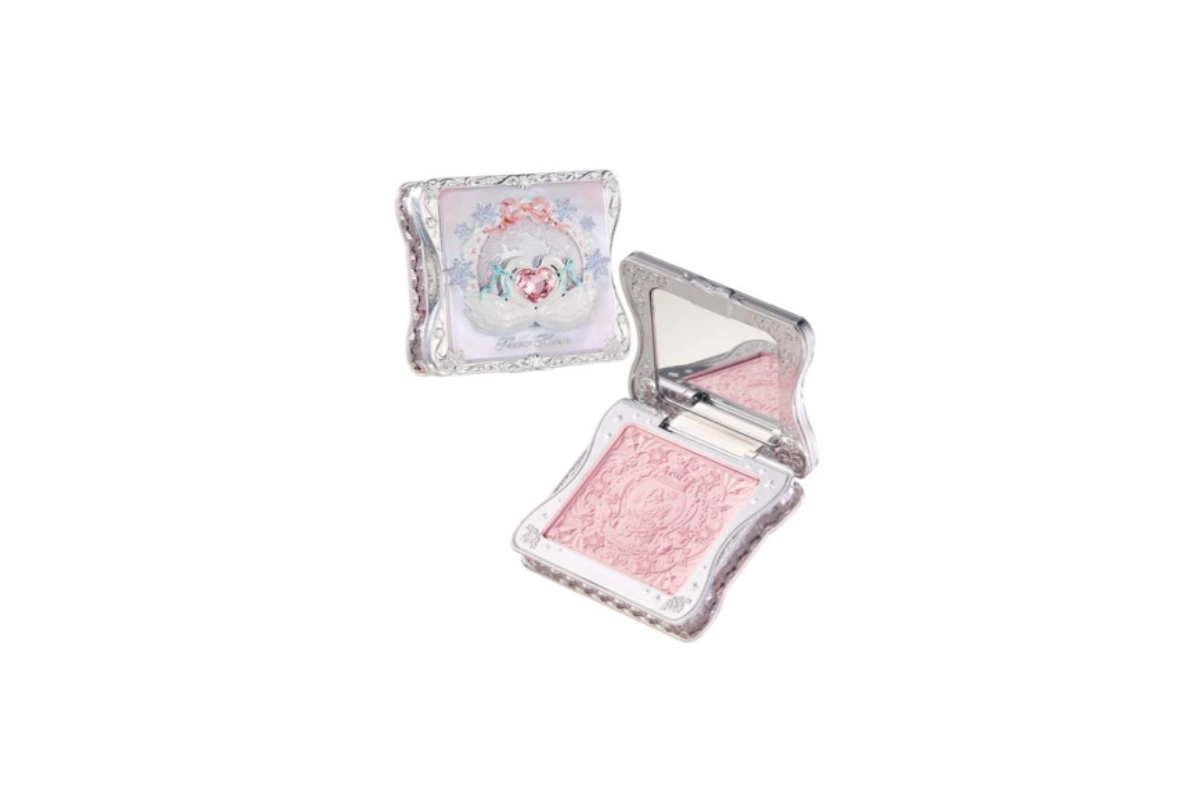
Milky pink blush can look fresh, soft, and polished in everyday makeup, but it is not automatically the best choice for everyone. The key is to judge how the shade behaves on your skin depth, how it interacts with your undertone, and whether it matches the level of color you usually wear. A pale pink can read airy and flattering on one person, yet appear chalky, overly cool, or too subtle on another. If you want a blush that feels easy rather than experimental, focus on tone, finish, and application style. Those factors will tell you if milky pink belongs in your routine.
Table of Contents
What Determines Whether Milky Pink Blush Suits You?
Skin Depth Changes How Pale Pink Appears
Skin depth strongly affects how milky pink blush shows up. On fair to light skin, a pale pink often creates a natural-looking flush that blends in without much effort. On medium skin, the same color can look softer and more pastel, which may be pretty if you enjoy a gentle cheek color. And oOn deeper skin, very light pink can turn ashy or barely register unless it is layered carefully. For everyday makeup, the best milky pink should brighten your complexion rather than sit on top of it. The goal is visible freshness, not a flat, powdery cast on the skin.
Undertone Influences the Color Balance
Undertone changes whether milky pink looks balanced or slightly off. Cool undertones usually pair well with pale pink because the shade echoes the natural rosy tones already present in the skin. Neutral undertones often wear it easily too, especially when the pink is soft rather than icy. Warm undertones can still use milky pink, but the shade may look more contrasting, so placement and blending become more important. If your complexion pulls golden, peach, or olive, choose a milky pink that does not lean too blue. A balanced pastel pink tends to feel more wearable every day.
Your Preferred Makeup Style Sets the Intensity
Your regular makeup style matters just as much as your coloring. If you like minimal makeup, milky pink blush can fit beautifully because it gives the cheeks a light, clean tint instead of a dramatic statement. If you prefer sculpted skin, bronzer, or stronger eye makeup, a very pale blush may seem too faint unless you build it up or pair it with another shade. Consider whether you want blush to softly support the look or stand out more clearly. Everyday makeup usually feels most cohesive when blush intensity matches the rest of your routine from base to lips.
Assess the Powder Finish and Layering Options
A Fine Powder for a Buildable Flush
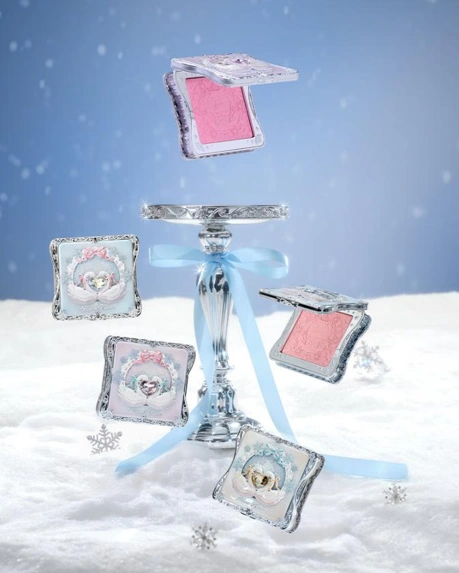
Finish affects wearability as much as color. Flower Knows Snow Ballet Air Blush in 01 Snowy Strawberry is described as a soft milky pink with a finely milled powder, an ultra-fine blush texture, and a soft-focus finish. Those details matter for daily use because a fine powder usually blends more evenly and lets you build color gradually instead of depositing too much at once. A soft-focus effect can also help the blush look diffused rather than stark. If you want a delicate cheek that stays polished and light, this type of powder finish supports that result very well.
A Pale Pink Layer Beneath Another Blush
Layering can make milky pink more practical if you like flexibility. A pale pink works well as a first veil of color, then a deeper rose, peach, or neutral blush can go on top to add dimension. This approach keeps the cheeks bright while preventing the final look from appearing too pastel. It also helps if milky pink alone feels slightly cool or faint on your skin. For everyday makeup, this technique creates a customized result without making your routine complicated. If you enjoy adjusting your blush by season or lip color, layering gives this shade more usefulness.
Test Whether Milky Pink Fits Your Daily Routine
Try a Light Application Over Your Usual Base
The simplest way to judge milky pink blush is to test it with the products you already wear most often. Apply a light layer over your usual base, whether that is bare skin, tinted sunscreen, skin tint, or fuller foundation. Then check whether the blush still looks soft and believable instead of powdery or overly pale. Daily makeup should feel easy to reproduce, so pay attention to how quickly it blends and whether you need several passes to see a flattering effect. If one light application gives gentle life to the cheeks, the shade likely suits your routine.
Check the Whole Look Before Choosing
Do not judge the blush in isolation. Look at your full makeup after brows, eyes, bronzer, and lip color are done. A milky pink that seems too subtle on bare cheeks may look exactly right once the rest of the face is balanced. On the other hand, if your finished look includes warm tones or defined contour, a cool pale blush can appear disconnected. Check the result in natural light and indoor light before deciding. For everyday use, the right blush should support the whole face comfortably and consistently, not work only under ideal conditions or specific styling.
Conclusion
Milky pink blush is right for everyday makeup when it adds a soft, healthy flush that matches your skin depth, respects your undertone, and fits the level of color you enjoy wearing. It is especially appealing if you like fresh, understated makeup and a diffused cheek. A fine, buildable powder and the option to layer make the shade easier to adapt across different looks. If a light application over your normal base looks balanced with the rest of your makeup, milky pink is a smart daily choice. If not, it works best as a brightening layer instead.