
Table of Contents
Overview
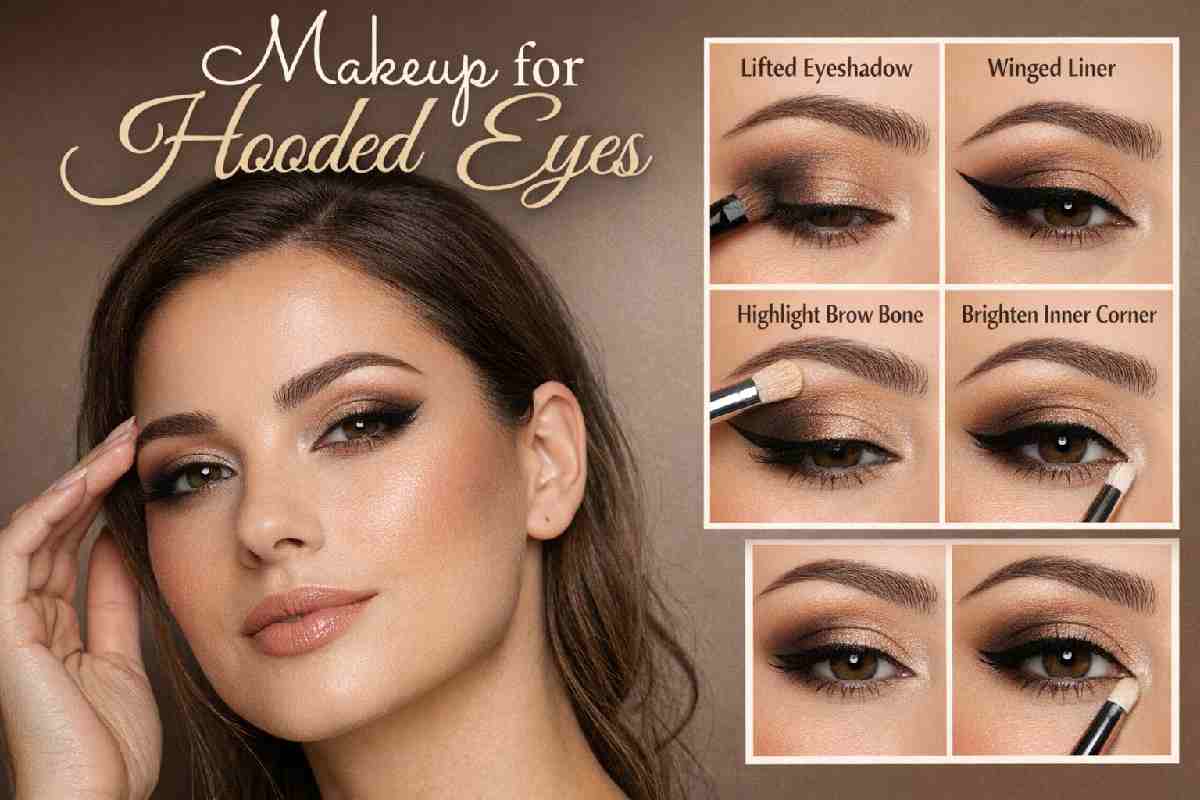
Hooded eyes are a common eyelid structure where excess skin or soft tissue folds over the upper eyelid crease, making the lid appear smaller or hidden. While often considered a cosmetic trait, hooded eyes can sometimes affect vision, eye comfort, and facial balance.
This guide provides evidence-based medical insight, global treatment comparisons, specialist-reviewed options, and transparent pricing, making it a one-stop resource for anyone researching hooded eyes.
What Are Hooded Eyes?
Hooded eyes occur when the upper eyelid skin extends downward over the natural crease, reducing visible eyelid space when the eyes are open.
Key anatomical contributors include:
Upper eyelid skin laxity
Fat pad displacement
Levator muscle function
Brow bone structure
Loss of collagen and elastin with age
Hooded eyes are not a disorder and vary widely in severity.
Types of Hooded Eyes
| Type | Description | Common Cause |
|---|---|---|
| Genetic hooded eyes | Present from youth | Bone structure & heredity |
| Age-related hooding | Develops gradually | Collagen loss & gravity |
| Asymmetrical hooding | One eye more hooded | Muscle imbalance |
| Mild hooding | Crease partially visible | Early skin laxity |
| Severe hooding | Lid covers lashes | Advanced tissue descent |
Hooded Eyes vs Similar Conditions
| Condition | Key Difference | Medical Concern |
|---|---|---|
| Hooded eyes | Excess skin | Usually cosmetic |
| Ptosis | Muscle weakness | Often medical |
| Monolid | No crease | Structural |
| Deep-set eyes | Eye sits deeper | Not hooding |
What Causes Hooded Eyelids?
Genetics
Aging and collagen depletion
Chronic sun exposure
Smoking
Repetitive eye rubbing
Rapid weight loss
Poor sleep quality
Do Hooded Eyes Affect Vision?
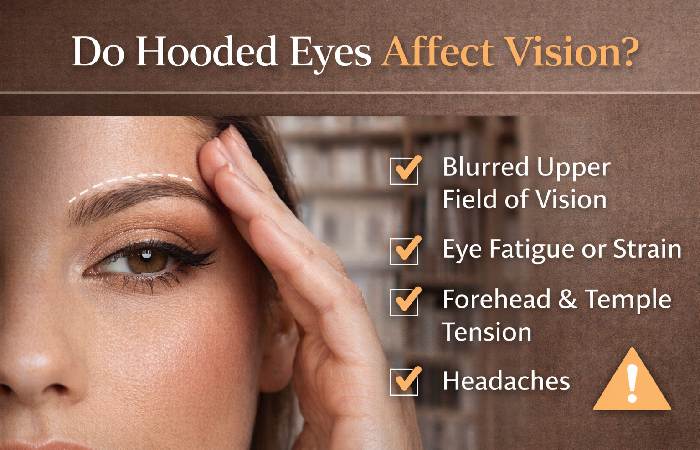
Mild hooding is cosmetic only.
Moderate to severe hooded eyelids may cause:
Upper visual field obstruction
Eye fatigue
Headaches from brow overuse
Dry or irritated eyes
In such cases, treatment may be functionally necessary.
Treatment Options for Hooded Eyes
Non-Surgical Options
| Treatment | Effectiveness | Duration | Best For |
|---|---|---|---|
| Botox | Mild lift | 3–4 months | Early hooding |
| Fillers | Structural support | 9–18 months | Hollow brows |
| RF / Ultrasound | Skin tightening | Variable | Mild laxity |
Surgical Option (Gold Standard)
Upper Eyelid Blepharoplasty
Removes excess skin and fat
Improves eyelid contour
Restores visual field
Long-lasting (10+ years)
Competitive Countrywise Comparison: Hooded Eye Surgery
| Country | Specialist Expertise | Average Cost (USD) | Medical Tourism Popularity |
|---|---|---|---|
| United States | Board-certified oculoplastic surgeons | $3,500–$6,500 | High |
| United Kingdom | NHS + private specialists | $3,000–$5,000 | Moderate |
| South Korea | Global leader in eyelid surgery | $2,000–$4,000 | Very High |
| Turkey | High skill + affordability | $1,800–$3,000 | Very High |
| India | Experienced cosmetic surgeons | $1,200–$2,500 | Growing |
Specialist-Reviewed Clinics & Brands (Beauty Niche)
| Brand / Clinic Type | Specialist Rating | Focus Area | Typical Pricing |
|---|---|---|---|
| Oculoplastic Clinics | ★★★★★ | Functional + cosmetic | Premium |
| Cosmetic Surgery Chains | ★★★★☆ | Aesthetic eyelids | Mid-High |
| Dermatology Centers | ★★★☆☆ | Non-surgical | Low-Mid |
| Medical Spas | ★★☆☆☆ | Temporary lift | Low |
| Hospital-Based Units | ★★★★★ | Vision-related | Covered/Partial |
Yearly Pricing Trend (Beauty & Medical Niche)
Global Trend (Last 5 Years):
2019–2020: Stable pricing
2021: Slight increase (post-pandemic demand)
2022–2023: +10–20% due to inflation & surgeon demand
2024–2025: Price stabilization with more medical tourism
➡️ Asia and Turkey show the lowest cost growth, while North America shows the highest.
Location-Based Cost Factors
| Factor | Impact on Price |
|---|---|
| Surgeon experience | High |
| City vs non-metro | Medium |
| Hospital accreditation | High |
| Anesthesia type | Medium |
| Medical tourism packages | Cost-reducing |
Do Natural Treatments Work?
Scientific evidence does not support permanent correction from:
Facial exercises
Eye creams
Gua sha
Supplements
However, these may:
Improve skin hydration
Reduce puffiness
Slow visible aging
Psychological & Beauty Perspective
Hooded eyes are:
Common across cultures
Frequently featured in fashion & film
Often described as expressive or sultry
Treatment is a personal choice, not a requirement.
Frequently Asked Questions
Can hooded eyes disappear naturally?
No. They may fluctuate but rarely reverse without intervention.
Are hooded eyes genetic?
Yes. Genetics is the most common cause.
Is surgery the only permanent fix?
Yes, upper blepharoplasty is currently the most definitive treatment.
Are hooded eyes considered attractive?
Beauty standards vary, but hooded eyes are widely embraced in modern aesthetics.
When is treatment medically necessary?
When vision is obstructed or eye strain is persistent.
Conclusion
Hooded eyes are a normal anatomical variation, influenced by genetics, aging, and skin structure. While often cosmetic, they can become functional in moderate to severe cases. Modern medicine offers a full spectrum of solutions—from lifestyle management to advanced surgery—allowing individuals to choose what aligns with their health, confidence, and goals.