
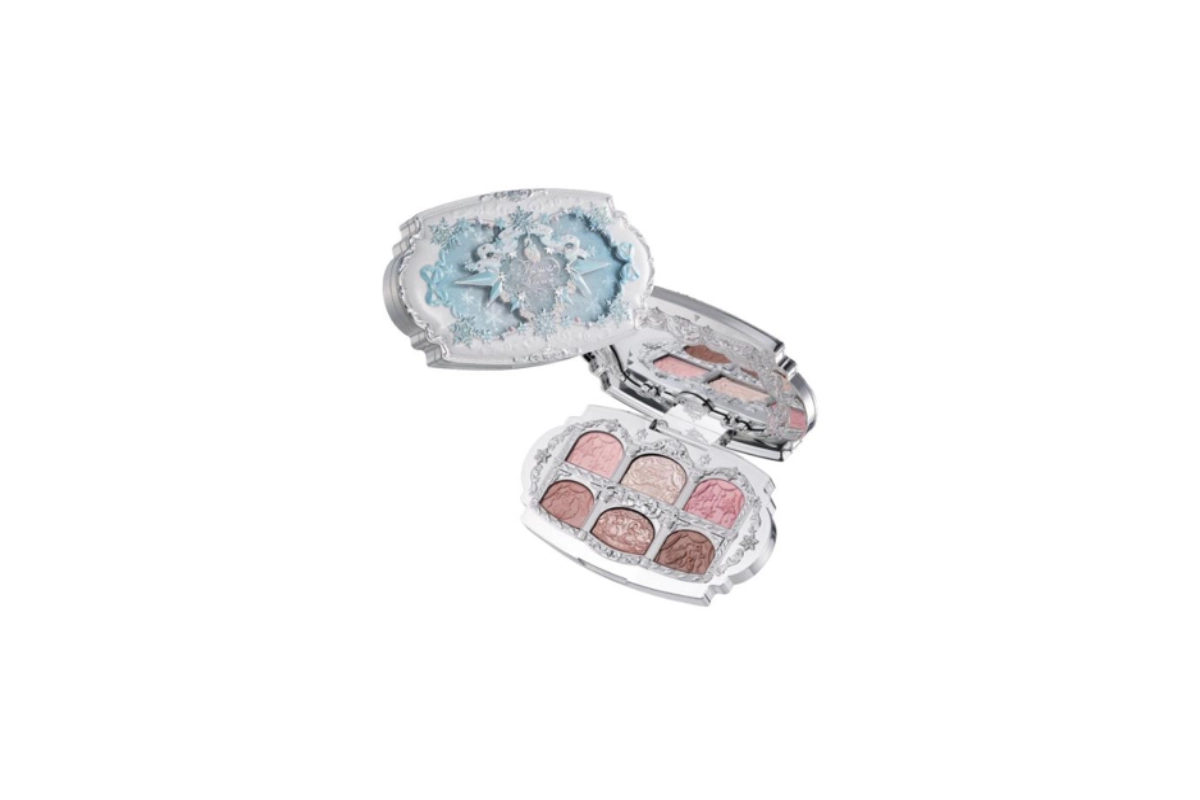
A six-color eyeshadow palette can absolutely cover everyday looks when the shades are chosen with range and purpose. The key is not having more pans, but having enough contrast, useful finishes, and colors that layer well together. For daily makeup, most people rotate between soft definition, quick all-over color, and a slightly brighter look for evening plans. A compact palette can handle all three if it includes lighter shades for brightening, mid-tones for structure, and deeper shades for depth. That is why a balanced six-pan edit often works better than a larger palette filled with rarely used colors.
Table of Contents
What Makes Six Eyeshadow Shades Enough?
Light, Medium, and Deep Shades With Clear Roles
Six eyeshadow shades are enough when each one does a specific job. A light shade can brighten the lid, inner corner, or brow bone. Medium tones create the main wash of color and help transition edges without harsh lines. A deeper shade adds definition along the lash line or outer corner, making the eyes look more shaped and awake. This structure matters more than quantity. If a palette includes at least one light shade, two or three wearable mid-tones, and one or two deeper tones, it can support quick daytime makeup with flexibility. You can use one shade alone, pair two for soft contrast, or layer several for a more polished result without needing a large collection.
Finishes That Offer Different Effects
Finish variety also makes a small eyeshadow palette feel more complete. Matte or satin shades usually do the most daily work because they build shape, soften crease lines, and create an even wash across the lids. Shimmer or sparkle shades change the mood quickly with very little effort. A touch on the center of the lid or inner corner can make simple makeup look fresher and more intentional. When a six-color palette includes both smoother base shades and light-catching accents, it can move easily from day to evening. That balance gives more styling options without adding complexity. Instead of repeating similar tones, the palette gains versatility by offering soft depth, subtle radiance, and a finishing detail.
Three Everyday Looks With the Snow Ballet Palette
A Light Apricot Wash for Quick Mornings
For rushed mornings, a soft apricot look is often the easiest option because it adds warmth without looking heavy. In the Flower Knows Snow Ballet Six-Color Satin Makeup Palette in 01 Music Box, Creamy Apricot works well as the main wash across the lid, while Peach Pink can soften the edges and keep the result fresh. If you want a little brightness, dab Pearl White Sparkle lightly on the inner corner. This palette includes six practical shades—Creamy Apricot, Peach Pink, Apricot Brown, Cocoa Brown, Pearl White Sparkle, and Champagne Sparkle—which gives it enough range for quick layering. The tones stay cohesive, so even a simple two-shade application looks finished, clean, and suitable for everyday wear.

Rosy Brown Definition for Workdays
A workday eye look usually needs more structure than a single wash, but it should still stay polished and easy to wear. Start with Peach Pink or Creamy Apricot over the lid to create a soft base. Then blend Apricot Brown through the crease for gentle contour. To add definition without making the eye look too dramatic, press Cocoa Brown along the upper lash line or outer corner. This combination gives shape, warmth, and a little depth while staying office friendly. The rosy-brown balance helps the eyes stand out in a subtle way, especially when paired with clean skin makeup and natural lips. It is a practical combination you can repeat often without it feeling repetitive.
A Champagne Accent for After-Work Plans
A six-color palette becomes especially useful when it can refresh a daytime look in minutes. For after-work plans, keep your base from the day and add Champagne Sparkle to the center of the lid or across the inner half for a brighter finish. If you want more contrast, deepen the outer corner slightly with Cocoa Brown and blend the edges with Apricot Brown so the shimmer still looks smooth. This kind of update feels more elevated than starting over. The champagne accent catches light well and gives the eyes more dimension without turning the look into full evening glam. It is an easy transition technique that shows how a compact palette can support different moments in one day.
What to Check Before Choosing a Six-Color Palette
Before choosing a six-color palette, check whether the shades create a usable routine rather than just looking pretty in the pan. First, look for depth balance: one light tone, a few mid-tones, and at least one deeper shade. That mix supports simple and layered looks. Next, check finish balance. A palette should include dependable everyday textures plus one or two reflective shades for brightness and variation. Also consider whether the colors relate well to each other. Harmonious tones make it easier to combine shades without guesswork. Finally, think about your real habits. If you prefer quick makeup, choose colors that work alone and blend easily together instead of highly specific shades that only suit occasional looks.
Conclusion
A six-color eyeshadow palette can cover everyday looks when it offers thoughtful shade depth, finish variety, and easy coordination. For daily use, you do not need endless options; you need shades that can brighten, define, and adapt to different parts of your schedule. A palette like the Snow Ballet 01 Music Box color story shows how soft apricots, rosy browns, and light-catching accents can create quick morning makeup, polished work looks, and simple after-hours updates. When each shade has a clear role, a smaller palette stops feeling limiting and starts feeling efficient, wearable, and genuinely useful for real life.