
Table of Contents
What Is a Spinning Bike (In Simple Terms)?
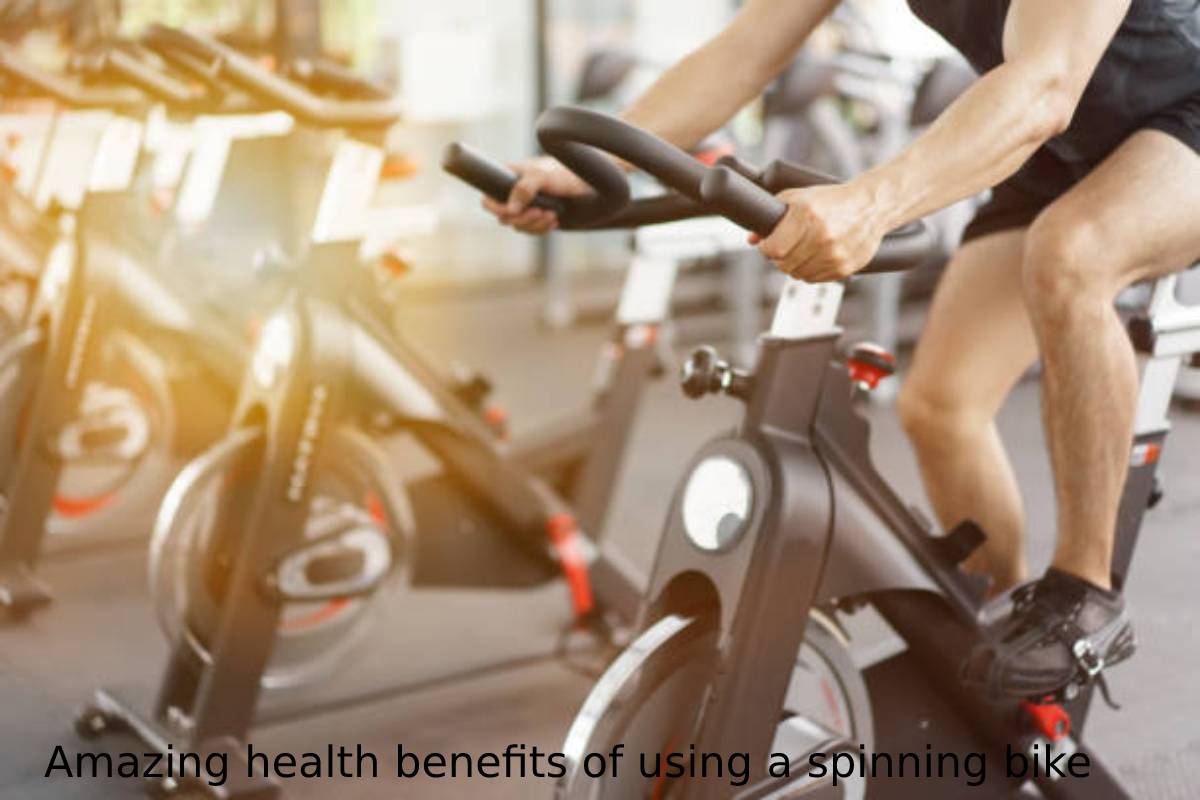
A spinning bike is a stationary bike designed to mimic outdoor cycling. Unlike a regular exercise bike, it lets you:
Adjust resistance manually
Stand and pedal
Control intensity like you would on a real road
It’s built for high-energy cardio workouts, but it’s also flexible enough for slow, steady rides.
Why Spinning Bikes Are Everywhere Right Now
There’s a reason gyms, home setups, and online classes are all pushing spinning.
Here’s why people stick with it:
Low-impact on joints
High calorie burn
Full lower-body workout
Easy to fit into busy schedules
Works for beginners and advanced riders
I’ve seen people quit running and still hit their fitness goals just by riding consistently.
Common Concerns Before Buying a Spinning Bike
Let’s address what’s probably going through your head right now.
“Is a spinning bike good for beginners?”
Yes—if you control the resistance and pace. You don’t have to go all-out from day one.
“Will it hurt my knees?”
Not if the bike is adjusted correctly. In fact, spinning bikes are often recommended for knee-friendly cardio.
“Do spinning bikes help with weight loss?”
Absolutely. Consistency + resistance + time = results.
Spinning Bike vs Exercise Bike: What’s the Difference?
This trips up a lot of people.
Spinning Bike
Manual resistance
Designed for intense workouts
Mimics real cycling
Better for HIIT and endurance training
Regular Exercise Bike
Motorized resistance
Upright seating
More casual workouts
Easier for rehab or light movement
If your goal is fitness progress, a spinning bike gives you more control and challenge.
Benefits of Using a Spinning Bike
1. Serious Calorie Burn
Depending on intensity, a spinning bike workout can burn 400–700 calories an hour. That’s no joke.
2. Low Impact, High Results
Great for:
Knee pain
Joint sensitivity
Recovery days
You get the burn without pounding your joints.
3. Full Lower Body Workout
It targets:
Quads
Hamstrings
Glutes
Calves
Add standing climbs, and your core joins the party too.
4. Mental Stress Relief
There’s something about rhythmic pedaling that clears your head. It’s cardio without chaos.
Types of Spinning Bikes You’ll See
Not all spinning bikes are built the same.
Magnetic Resistance Spinning Bikes
Quiet
Smooth resistance
Low maintenance
Ideal for home use
Felt Resistance Spinning Bikes
More “road-like” feel
Slightly louder
Common in gyms
For home workouts, I always lean toward magnetic resistance.
How to Set Up a Spinning Bike Correctly (This Is Huge)
Bad setup = pain + frustration.
Here’s a simple setup checklist:
Seat height at hip level
Slight bend in knees at full pedal
Handlebars level with or slightly higher than seat
Feet strapped in securely
Five minutes of setup saves weeks of discomfort.
Spinning Bike Workouts for Real Life
You don’t need fancy programs to start.
Beginner Spinning Bike Workout (20 Minutes)
5 min easy warm-up
10 min steady pace, light resistance
5 min cool-down
Fat-Burning Ride
1 min fast pedal
2 min recovery
Repeat 6–8 times
Strength Ride
High resistance
Slow standing climbs
Focus on control, not speed
Short workouts done consistently beat long ones done rarely.
How Often Should You Use a Spinning Bike?
This depends on your goal.
Beginners: 3–4 times a week
Weight loss: 4–5 times a week
Endurance training: 5–6 times a week
Listen to your body. Recovery matters.
Spinning Bike for Weight Loss: What Actually Works
Let’s be honest—no bike magically melts fat.
What does work:
Progressive resistance
Mixing HIIT with steady rides
Staying consistent
Pairing workouts with balanced nutrition
I’ve seen better results from 30-minute focused rides than from hour-long half-effort sessions.
Spinning Bike at Home vs Gym
Home Spinning Bike
No commute
Workout anytime
Privacy
Long-term cost savings
Gym Spinning Bike
Instructor motivation
Group energy
No equipment maintenance
If consistency is your struggle, home wins.
Maintenance Tips to Keep Your Spinning Bike Smooth
This part’s often ignored.
Wipe sweat after rides
Check bolts monthly
Keep resistance system clean
Replace pedals or straps if worn
A well-maintained spinning bike lasts years.
Who Should Avoid a Spinning Bike?
Spinning is safe for most people, but be cautious if:
You have untreated joint injuries
You ignore proper form
You push intensity too fast
If unsure, start slow or check with a professional.
Internal Fitness Topics That Pair Well
If you’re exploring spinning, you’ll probably also want to read about:
Low-impact cardio workouts
Home gym setup basics
HIIT vs steady-state cardio
Recovery and stretching routines
These naturally support spinning bike training.
My Honest Take
A spinning bike isn’t a shortcut. It’s a tool. A really effective one—if you use it right.
What I love most is the flexibility. Some days I push hard. Other days I just move. Both count. And that’s why people stick with it.
It doesn’t care about weather, time, or mood. You just get on and ride.
Final Thoughts
If you want a workout that’s efficient, joint-friendly, and adaptable, a spinning bike is hard to beat. You don’t need fancy classes or perfect motivation—just consistency and a willingness to show up.
Start slow. Build momentum. Adjust as you go.
And yes, it deserves the spotlight one last time: