
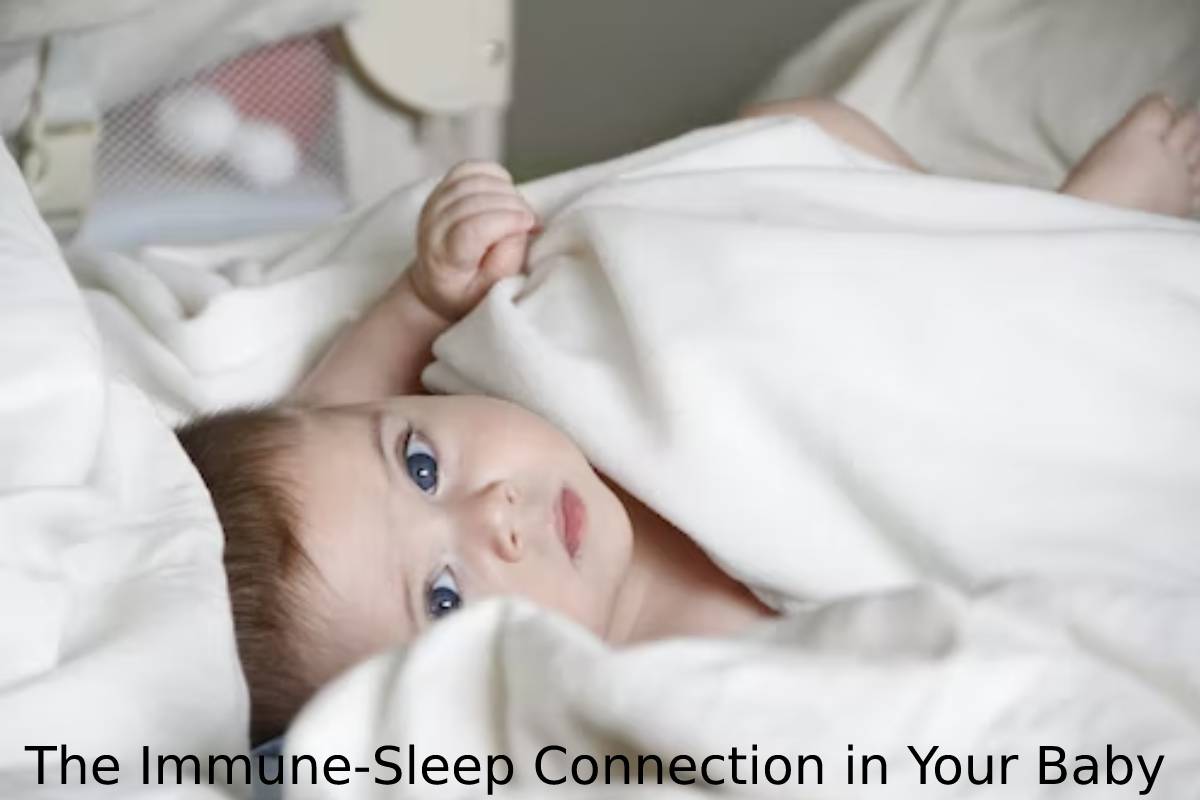
The benefits of sleep are well-documented. People who get at least eight hours of sleep per night often feel more energized, enjoy better health, and are less prone to stress. Sleep is just as important for infants as it is for adults, with experts recommending that babies get at least 14 hours of sleep per day. Baby sleep roll on oil can help your infant get the rest they need, which can boost their immunity.
How Can Sleep Strengthen Your Baby’s Immunity?
Many parents are unaware of the link between the quality of their baby’s sleep routine and the strength of their immune system. Indeed, a strong link exists between these two phenomena, which is why it’s imperative for parents to help their children sleep consistently. Investing in a balm for newborn babies can make this easier and encourage newborns to sleep peacefully.
Sleep strengthens your baby’s immune system in several ways. The most important example of this can be seen in the production of cytokines. Cytokines are a protein that the body naturally produces, and it targets inflammation and infection that may arise within the body. This protein also controls the growth ability of immune cells and blood cells, both of which are also important to babies’ overall immune strength and stability.
Sleep also helps babies produce T-cells. T-cells are a specific type of lymphocyte or white blood cell that is responsible for fighting off infections and attacking specific antigens. This helps babies’ immune systems fight off foreign particles in the body and minimize the risk of various illnesses. This allows the body to produce an appropriately robust immune response in the event that an illness occurs. More importantly, it strengthens the routine daily function of an infant’s immune system.
What Does Lack of Sleep Do to Your Baby?
The many benefits of sleep illuminate the many risks of sleep deprivation. If your infant is not getting enough sleep throughout the night, they may be susceptible to impaired immune system functioning. This, in turn, can put them at an increased risk of preventable diseases and infections. It’s essential for parents to ensure that their babies get enough sleep throughout the night so that their immune system can function properly.
Parents should also understand the many benefits of mindfulness for children. Meditating with babies can help them relax, and this can help them get ready for bedtime. Mindfulness practices like this can also help your baby feel calmer throughout the day, and lower stress levels are beneficial to your infant’s immune system, too. If you find that it’s difficult to get your baby to sleep, try a few mindfulness exercises with them before you put them down. This can be a beneficial part of your routine, and it can also help you form a stronger bond with your baby.
Ensure that your infant’s immunity is as strong s possible by helping them sleep through the night. A good night’s sleep will boost their immune system and help them stay healthy.
Component | Function Explained in Sources | Benefit to Baby |
|---|---|---|
Cytokines | Targets inflammation and infection; controls growth of immune and blood cells. | Strengthens overall immune stability. |
T-cells | A type of lymphocyte (white blood cell) that attacks specific antigens. | Minimizes risk of illness and creates a robust immune response. |
Feature | Adequate Sleep (14+ Hours) | Lack of Sleep/Deprivation |
|---|---|---|
Immune Function | Strengthens routine daily function and produces cytokines/T-cells. | Leads to impaired immune system functioning. |
Health Outcomes | Boosted immunity and better overall health | Increased risk of preventable diseases |
Stress Levels | Lower stress and more energy. | Higher susceptibility to stress. |