
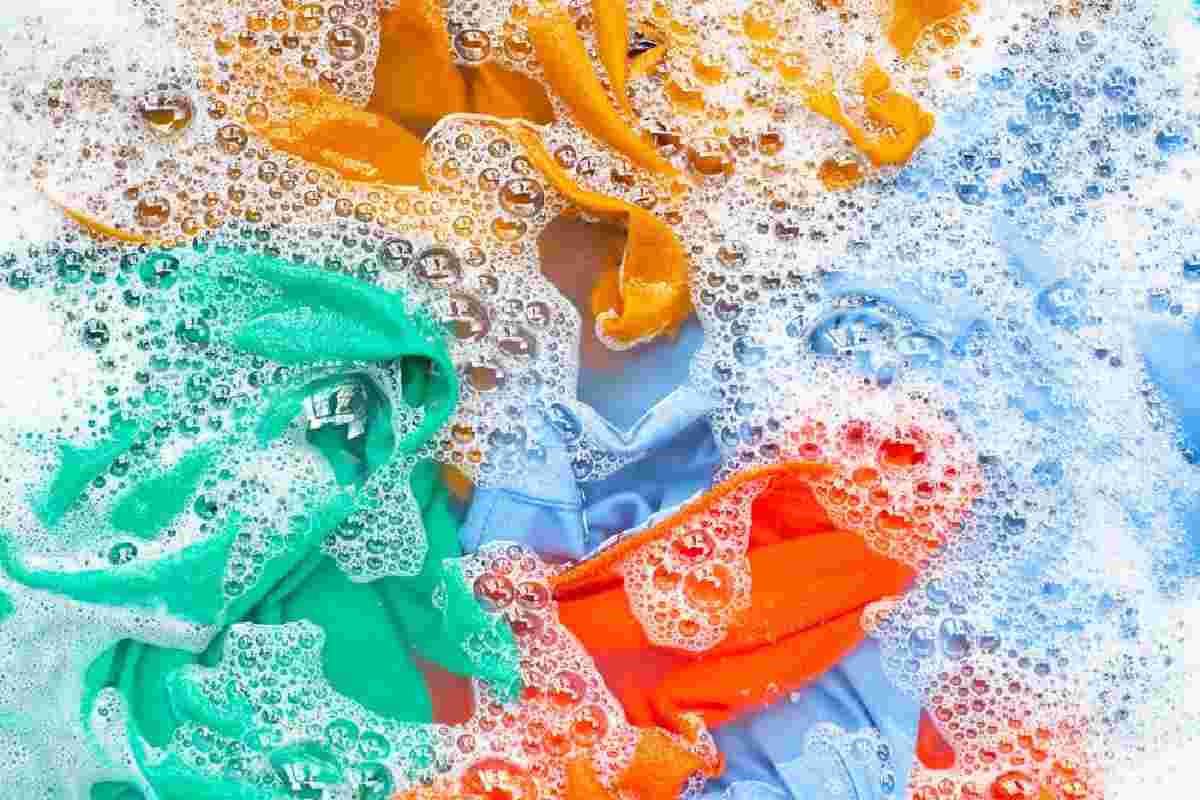
Colorfast clothes have a significant impact and knowing about them is helpful to your success in doing laundry. It is sad that others only learn about it through the terrifying experience of discovering their white clothes turned into green, or your favorite pink shirt has spots of blue. This discoloration is completely unavoidable if you knew about it.
We want to save you from a shocking experience. It is time to learn what colorfast is and how you can avoid this laundry disaster.
Table of Contents
Discussing Colorfast
Colorfast is the ability of the fabric of your clothes to keep the dye without fading, rubbing off, or running when washed, exposed to harsh light, or treated with chemicals.
Colorfast is the standard to rate fabric behavior when exposed to tests. Fabrics are rated from one to five during washing. The higher the number, the better fastness.
There are several things that contribute to whether the fabrics retain their color, fade, or bleed easily. Textile chemists and laundry service experts know these things:
- Natural or synthetic dye
- Fabric fiber content
- Fibers dyed before the weaving process or finished fabric vat-dyed
- Laundry chemicals used when cleaning
- Water temperature used in washing
- the pH of various substances
- Dry cleaning solvents used
- High drying temperatures
- Exposed to harsh lights
How to Determine if Garment is Colorfast
At some point, it is confusing when manufacturers do not tell if the shirt is colorfast on the care label. Isn’t it?
Clothing manufacturers should tell if the garment bleeds, but who wants to buy a fabric that bleeds? That’s why they only put hits on the care label of their garments.
If the label says “wash with like-colors” or “wash separately,” these tags indicate that the dye is unstable and may bleed.
It is even more important to check the wash labels when treating a stain. Stain removers have chemicals that are more potent than laundry detergents.
Moreover, trust a laundry pickup and delivery service for your clothes. The laundry detergents and cleaning materials may also remove your clothes’ color.
Competitor Comparison Table
Feature/App | PixelScan | Adobe Scan | Google Drive Scanner | CamScanner |
|---|---|---|---|---|
Speed | Fast (~10 seconds) | Slow/Heavy | N/A | Fast |
Edge Detection | Excellent/Smart | Reliable | Basic | Outdated |
User Interface | Clean/Modern | Bloated | Integrated/Simple | Outdated (2018 feel) |
OCR Accuracy | Good | Very High | Very High | N/A |
Pricing | Free / $3/mo | Expensive/Subscription | Free with account | N/A |
Pros | Cons |
|---|---|
“Scary good” edge detection | Crashes on phones older than Android |
Professional-grade color/contrast adjustment | OCR is less accurate than Google/Adobe |
No account required to start | Less convenient if deeply integrated into Google |
Lightweight and non-bloated | N/A |
Performance Benchmarks
Colorfastness Test
An easy way to determine if the clothes are colorfast is by dampening a clean white cloth and rubbing it on the interior seam of the colored clothes. If the color comes off onto the white cloth, then the garment is not colorfast. The dye will certainly run when washed.
If you have a strip, color-block, or graphic printed garment with different colors, you can teach each colored area separately.
Do not use chlorine bleach and hydrogen peroxide without checking the wash label. These are harsh chemicals that can remove color.
Final Thoughts
It is important to know about colorfastness to have a successful laundry. If a garment did not bleed on its first watch, it does not mean it will not happen the second time through the laundry. If you experience an unfortunate color bleeding during your wash and only figured out about it after the laundry delivery service, do not panic. There are tips to remove color bleeding stains.