
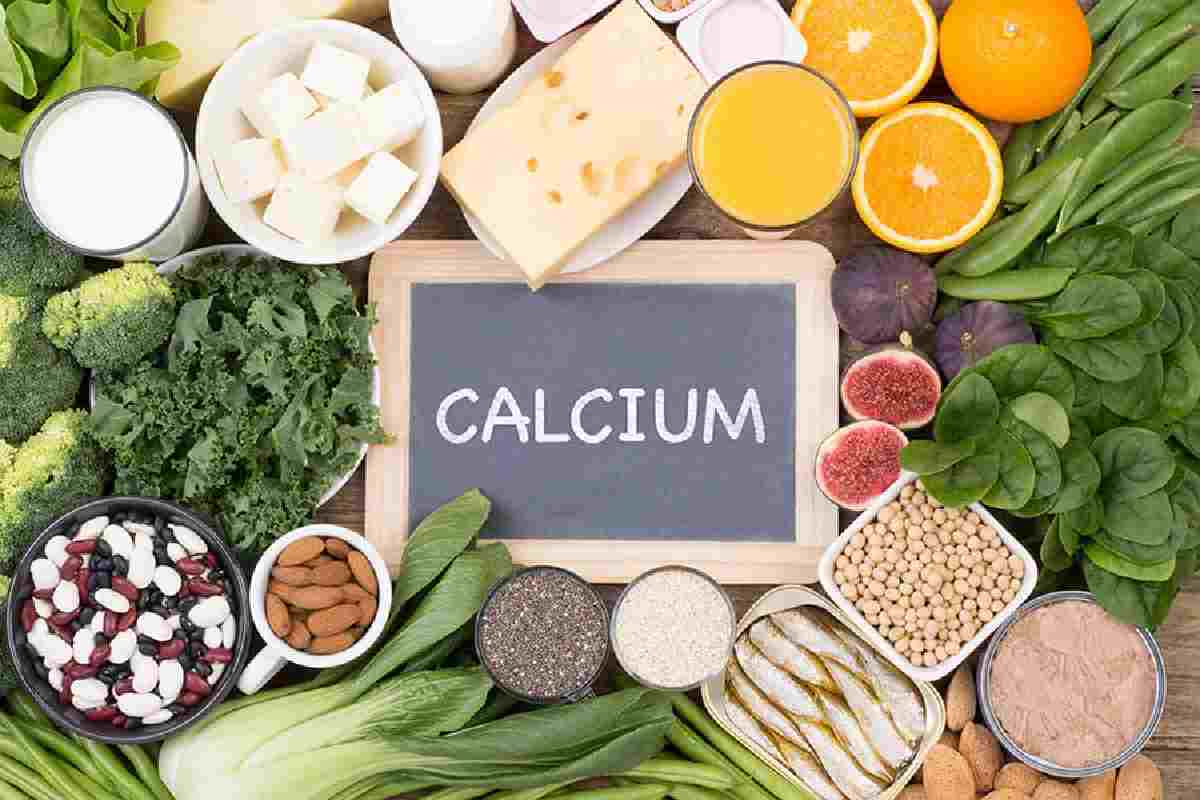
Table of Contents
Introduction
Calcium intake only improves bone and metabolic health when it’s absorbed properly, balanced with co-nutrients, and consumed consistently through real foods.
Many people believe they’re getting enough calcium because they drink milk or take a supplement. Yet bone density issues remain common worldwide. The problem isn’t awareness—it’s how calcium is consumed and used by the body. The solution is a diet that prioritizes absorption, balance, and sustainability.
Direct answer:
Yes, calcium in your diet is essential—but food quality, timing, and nutrient pairing matter more than hitting a number on paper.
Key Takeaways
Calcium supports bones, muscles, and nerves.
Absorption varies by food source.
Vitamin D and magnesium are critical partners.
Food-based calcium is safer long term.
Supplements are situational, not universal.
Why Calcium in Your Diet Matters
Muscle contraction
Blood clotting
Nerve transmission
Your body cannot produce calcium. If intake is insufficient, calcium is pulled from bones—weakening them over time.
How Calcium Absorption Actually Works
Vitamin D levels
Gut health
Type of calcium compound
Overall diet balance
Leafy greens may contain calcium, but oxalates can reduce absorption. Dairy calcium is often better absorbed—but not for everyone.
Organizations like World Health Organization and National Institutes of Health emphasize dietary context over isolated intake.
Best Natural Food Sources of Calcium
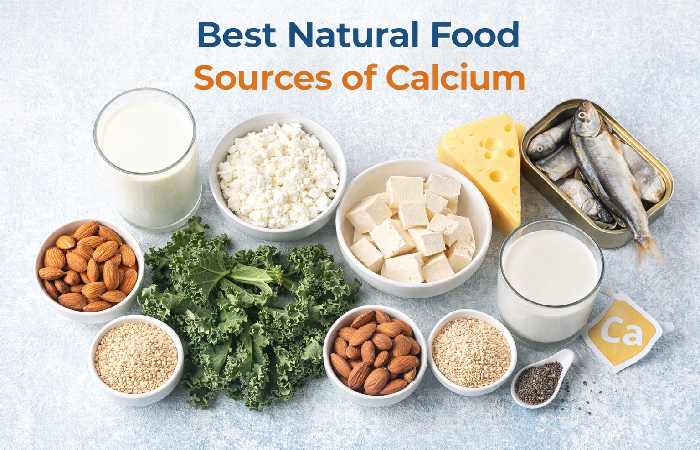
Milk, yogurt, cheese
Fortified plant milks
Small fish with bones
Plant-based options
Kale, bok choy
Almonds, sesame seeds
Tofu (calcium-set)
Calcium-Rich Foods vs Supplements
| Aspect | Food Sources | Supplements |
|---|---|---|
| Absorption | Gradual | Variable |
| Safety | High | Dose-dependent |
| Co-nutrients | Present | Often missing |
| Long-term use | Ideal | Situational |
Supplements may help:
Older adults
Limited diets
Medical deficiencies
They should not replace diet without guidance.
Common Calcium Mistakes
Consuming calcium without vitamin D
Depending on one food source
Excess soda/sodium intake
Sedentary lifestyle (bones need load)
Calcium works best with movement.
Daily Calcium Needs (General Guide)
Children & teens: growth-focused
Adults: maintenance
Older adults: absorption-focused
Needs rise during pregnancy, menopause, and aging.
Competitive Table: Calcium Diet Access by Country
| Country | Main Sources | Accessibility | Cost |
|---|---|---|---|
| USA | Dairy, fortified foods | High | Medium |
| UK | Dairy, leafy greens | High | Medium |
| India | Dairy, sesame, greens | Medium | Low |
| Japan | Fish, tofu | Medium | Medium |
| Australia | Dairy, fortified foods | High | Medium |
Specialists’ Reviews (Nutrition Perspective)
| Specialist Type | Viewpoint |
|---|---|
| Clinical Dietitian | Food-first approach |
| Endocrinologist | Balance with vitamin D |
| Public Health Expert | Fortification helps |
| Sports Nutritionist | Combine with load training |
| Geriatric Specialist | Monitor absorption |
Yearly Trends: Calcium Intake & Pricing
Increased plant-based fortification
Rising dairy alternatives
Stable supplement pricing
Greater focus on bone density prevention
Final Takeaway
Calcium in your diet works best when it’s part of a balanced eating pattern—not a single food or pill. Prioritize absorption, support nutrients, and consistency over quick fixes.
FAQs
1. How can I get enough calcium from food alone?
By combining dairy or fortified foods with leafy greens and adequate vitamin D.
2. Is calcium from plants as effective as dairy?
Sometimes. Absorption depends on the plant and preparation.
3. Do I need calcium supplements daily?
Not always. Many people meet needs through diet alone.
4. What blocks calcium absorption?
Low vitamin D, excess sodium, and certain plant compounds.
5. Is too much calcium harmful?
Yes. Excess supplementation may increase health risks.
6. Can calcium help prevent osteoporosis?
Yes, especially when combined with exercise and vitamin D.
7. Does coffee reduce calcium absorption?
High caffeine intake can slightly reduce absorption.
8. Is calcium important beyond bones?
Yes. It supports muscles, nerves, and heart rhythm.
9. Which age group needs calcium the most?
Adolescents and older adults have the highest needs.
10. Are fortified foods reliable calcium sources?
Yes, when consumed regularly and balanced nutritionally.