
Table of Contents
Introduction
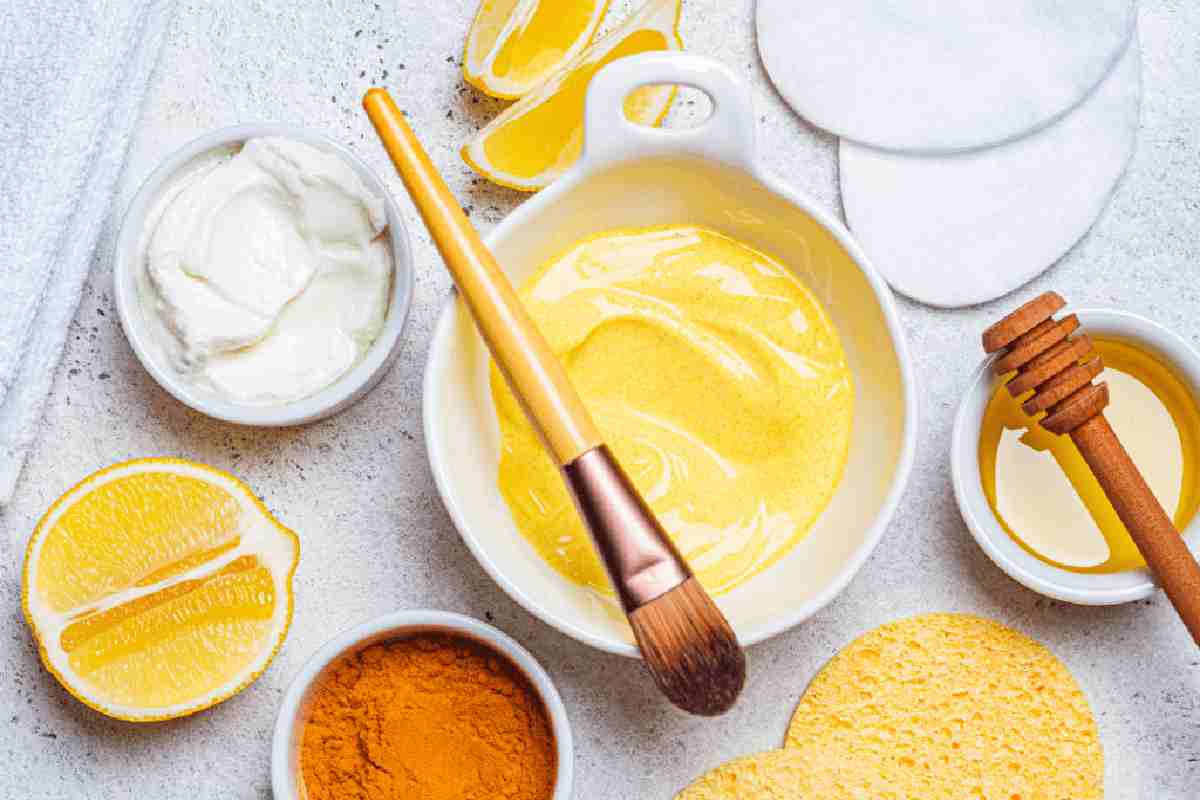
Turmeric is one of the species or other ingredients used in the kitchen, but did you know that it is also used in herbal medicine and beauty treatment in Asia? Let’s see below a step guide so you know how to make face masks with turmeric.
Thanks to its main active ingredient, cur cumin, cur cumin has potent anti-inflammatory and antimicrobial properties. In addition, it provides excellent results in cases of acne since it is anti-inflammatory. It has a calming and healing action.
And also, it serves to attenuate and eliminate skin imperfections. Finally, it is an excellent antioxidant, which will help repair the signs of aging, so we will see how to use it with different facial masks.
The Benefits of turmeric
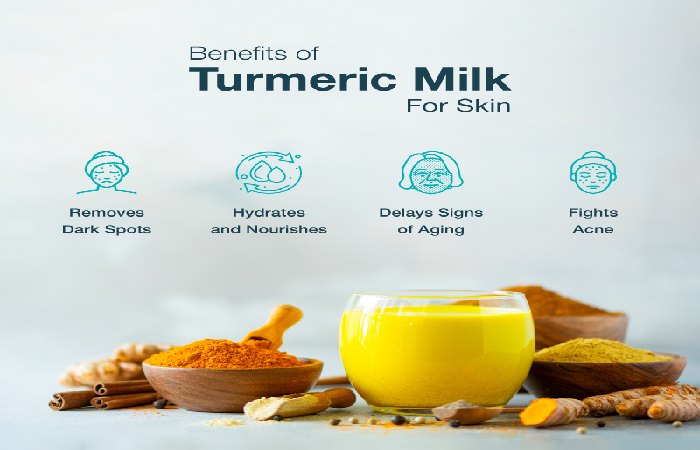
In addition to its taste, turmeric recognizes for millennia for its health benefits.
It not only contains a large amount of antioxidants, but it is also a potent anti-inflammatory.
These are two properties that can transpose very well in the beauty world, and they find in many commercial products.
It is a tradition for Indian women to cover themselves with turmeric paste from head to toe before their wedding to get the most beautiful skin possible on their big day!
By using it as a mask, turmeric helps to:
- Reduce inflammation (e.g., for bags under the eyes);
- To even out the complexion;
- Give a radiant effect to the skin;
- Fade pigment spots.
- Turmeric is credited with the properties of improving specific skin problems, such as acne and eczema.
1. Turmeric Mask Comparison by Skin Type
This table compares the four recipes provided in the sources to help users choose the correct preparatioMask VariantPrimary IngredientsRecommended Skin TypeKey BenefitSaline SolutionTurmeric, SalineOily or Acne-proneCleanses impurities and pores.Coconut OilTurmeric, Coconut OilAll skin typesAntibacterial; restores natural balanceHoneyTurmeric, HoneyCombinationDeep hydration and woundLemonTurmeric, Lemon JuiceOily / BlemishedAstringent effect; lightens spots2. Summary of Turmeric’s Skincare Benefits
This comparison highlights the specific “healing” versus “aesthetic” properties mentioned in the sourcesCategorySpecific Benefits Mentioned in the SourcesTherapeuticAnti-inflammatory, antimicrobial, healing of acne and eczemAnti-AgingAntioxidant properties that repair signs of aging.AestheticEvens complexion, provides a radiant effect, and fades pigment spots.CorrectiveReduces bags under the eyes and attenuates skin
Steps to make turmeric face masks
We now offer you four face masks made from turmeric that will help you to make the skin on your face look perfect.
Turmeric mask with saline solution
- This mask is quite simple and will help enormously keep your skin clean and free of impurities lodged in your pores, indicating people with oily or acne-prone skin.
- Just spoon a spoonful of turmeric into a bowl and add saline until paste forms.
- Apply this preparation on your face with your fingers or with a small brush.
- Apply to the entire face, including the eye and neck area. Please leave it to act for 20 minutes, and then remove it with running water.
Turmeric mask with coconut oil
- Turmeric and coconut mask is excellent for all skin types. Due to its antibacterial and anti-inflammatory action, it will go a long way toward restoring the natural balance of your skin.
- Place a dessert spoon of turmeric in a bowl and add the coconut oil until paste forms.
- Apply this preparation on your face with your fingers or with a brush. Apply to the entire face, including the eye and neck area.
- Leave for 20 minutes and then remove with running water.
Turmeric mask with honey
- Honey is another ingredient full of immense properties. It has been used since ancient civilizations to heal deep wounds and hydrate the skin.
- If you have combination skin, this turmeric and honey mask is the most suitable.
- Place a dessert spoon of turmeric in a bowl and add the honey until it forms a paste.
- If the preparation becomes too thick, you can add a few drops of water or even saline solution.
- Apply this preparation on your face with your fingers or with a brush. Apply to the entire face, including the eye and neck area.
- Leave for 20 minutes and then remove with running water.
Turmeric mask with lemon
- The lemon here in this recipe plays a fundamental role.
- It will work as a powerful astringent. What will cleanse your skin in depth?
- As a result, it substantially reduces the appearance of pores, oily skin and, above all, has a lightening effect. Which means that it helps reduce blemishes.
- This mask should apply only at night since lemon is photosensitive, and if you expose your skin to the sun, spots may appear.
- All you have to do is mix a dessert spoon of turmeric with the juice of half a lemon and then apply it to the face, leaving it to act for 20 minutes and then wash it off with water.
Conclusion
Turmeric is much more than a kitchen spice—it is a time-tested natural ingredient widely used in traditional beauty rituals, especially in Asian cultures. Thanks to its anti-inflammatory, antimicrobial, antioxidant, and skin-brightening properties, turmeric can help address common skin concerns such as acne, dullness, uneven tone, pigmentation, and early signs of aging.
When used correctly and according to your skin type, turmeric face masks can support healthier, clearer, and more radiant skin. However, it is important to use turmeric in moderation, perform a patch test before application, and avoid prolonged use to prevent staining or irritation. Natural remedies work best when combined with consistency, patience, and proper skincare habits.
By choosing the right turmeric mask and following the recommended steps, you can safely enjoy its benefits and enhance your skincare routine naturally.
Frequently Asked Questions (FAQs)
1. Is turmeric safe to use on the face?
Yes, turmeric is generally safe for topical use when used in small amounts. Always perform a patch test before applying it to your face to avoid irritation or allergic reactions.
2. How often can I use a turmeric face mask?
You can use a turmeric face mask 1–2 times per week. Overuse may cause temporary yellow staining or skin sensitivity.
3. Can turmeric help with acne?
Yes. Turmeric has anti-inflammatory and antimicrobial properties that may help reduce acne, calm redness, and prevent bacterial growth on the skin.
4. Does turmeric lighten dark spots and pigmentation?
Turmeric may help fade dark spots and even out skin tone over time due to its antioxidant and anti-inflammatory effects. Results are gradual and require consistent use.
5. Can turmeric stain the skin?
Yes, turmeric can temporarily stain the skin, especially lighter skin tones. Mixing it with ingredients like milk, honey, or yogurt and washing thoroughly helps reduce staining.
6. Is turmeric suitable for sensitive skin?
People with sensitive skin should use turmeric cautiously and avoid mixing it with lemon. Always patch test before full application.