
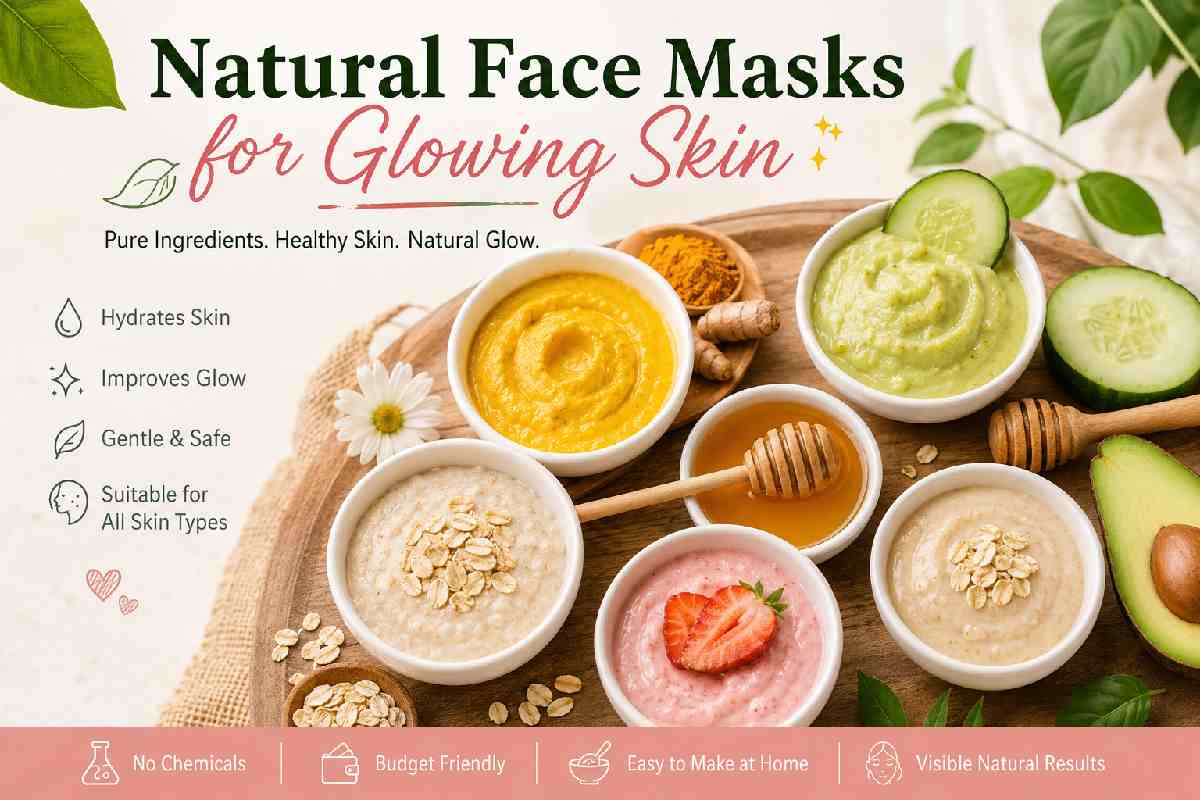
How to achieve glowing skin naturally DIY face masks What you eat, where you get your sleep and whether you consistently drink enough water can influence your skin. But beyond sleep and diet, everyone’s daily – and Weekly – routine likely also includes some type of treatment for healthy, glowy skin. Many of our favourite DIY facemask ideas include common kitchen ingredients.
Items such as honey, aloe, oats, and yogurt when applied to the face, have hydrating, soothing, and even exfoliating properties.
BUT not everything we make and smear on ourselves is 100 per cent safe, regardless of how natural it may be. Some items can sting, some can cause irritation or allergic reactions, especially if you’re trying things on more sensitive skin type. How do you ensure you are using safe skin ingredients and getting the glow you want? Here you will be taught which products are scientifically recommended, which facemask recipe is the best for you and your face.
Table of Contents
What Are Natural Face Masks?
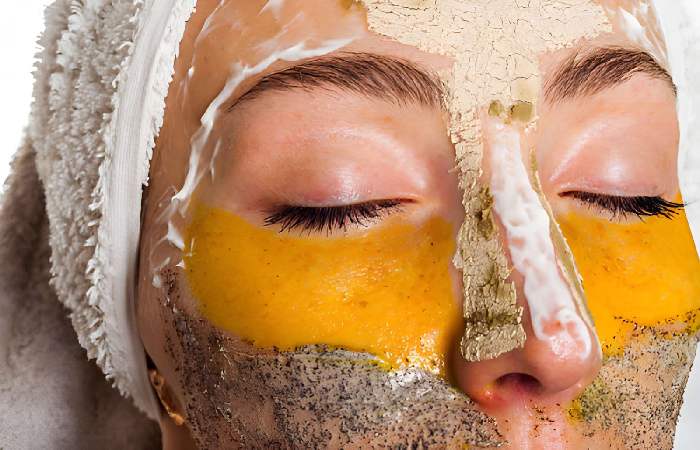
Natural face masks are skincare treatments made using plant-based, dairy-based or minimally processed ingredients that are applied to the face for a short period before rinsing off.
Unlike commercial masks that often contain formulated active ingredients, homemade masks generally focus on:
Hydrating the skin, Temporarily increasing skin’s brightness, calms inflammation, mildly exfoliate skin, reinforcing the barrier. However, the best thing about a hydrating mask is how it acts best to supplement – rather than substitute – your normal daily routine and daily skincare steps such as cleansing, moisturizing and applying sunscreen.
Benefits of Natural Face Masks for Glowing Skin
Many natural ingredients provide nutrients and moisture that improve the appearance of the skin.
Some potential benefits include:
- Better skin hydration
- Softer skin texture
- Temporary increase in skin radiance
- Gentle removal of dead skin cells
- Reduced feeling of dryness
- Calming effect on irritated skin
- Improved overall skin comfort
Results vary depending on skin type, lifestyle, hydration, sleep and sun exposure.
Best Ingredients for Homemade Face Masks
| Ingredient | Main Benefit | Best For |
|---|---|---|
| Honey | Natural humectant that attracts moisture | Dry skin |
| Aloe vera | Soothes irritated skin | Sensitive skin |
| Oats | Gentle exfoliation and calming | Sensitive or eczema-prone skin |
| Plain yoghurt | Contains lactic acid for mild exfoliation | Dull skin |
| Turmeric | Brightening appearance | Uneven skin tone |
| Banana | Moisturising | Dry skin |
| Avocado | Rich in healthy fats | Mature skin |
| Cucumber | Cooling and refreshing | Puffy skin |
| Green tea | Antioxidant support | Oily skin |
| Rose water | Refreshes skin | Most skin types |
Natural Face Mask Recipes for Different Skin Types
1. Honey and Yoghurt Mask
Best for: Dry, dull skin
Ingredients
- 1 tablespoon honey
- 2 tablespoons plain yoghurt
How to Use
Mix thoroughly.
Apply evenly for 15 minutes.
Rinse with lukewarm water.
Benefits
- Hydrates skin
- Mild exfoliation
- Leaves skin feeling softer
2. Aloe Vera and Cucumber Mask
Best for: Sensitive skin
Ingredients
- Fresh aloe vera gel
- Half cucumber blended
Benefits
- Cooling sensation
- Helps calm redness
- Refreshes tired-looking skin
3. Oatmeal and Honey Face Mask
Best for: Sensitive and combination skin
Mix:
- Ground oats
- Honey
- Warm water
Leave for 10–15 minutes before rinsing gently.
This mask provides gentle exfoliation without harsh scrubbing.
4. Turmeric and Gram Flour Mask
Best for: Uneven skin tone
Ingredients:
- 2 teaspoons gram flour
- A pinch of turmeric
- Milk or yoghurt
Use only a small amount of turmeric to minimise temporary staining.
5. Banana and Avocado Hydrating Mask
Perfect for dry skin.
Mash together:
- Half banana
- Quarter avocado
Apply for 15 minutes.
This mask delivers rich moisturising ingredients that help skin feel softer.
How to Choose the Right Face Mask
| Skin Type | Recommended Ingredients | Avoid |
|---|---|---|
| Dry | Honey, avocado, yoghurt | Lemon juice |
| Oily | Clay, green tea, oats | Heavy oils |
| Sensitive | Aloe vera, oats | Cinnamon, essential oils |
| Combination | Honey, cucumber | Harsh scrubs |
| Mature | Banana, avocado | Alcohol-based ingredients |
Weekly Face Mask Workflow
Cleanse Face
       ↓
Patch Test New Ingredients
       ↓
Apply Mask
       ↓
Leave for 10–15 Minutes
       ↓
Rinse with Lukewarm Water
       ↓
Apply Moisturiser
       ↓
Use Sunscreen During Daytime
Expectations: What Results Can You Realistically Expect?
Natural skincare often works gradually rather than producing dramatic overnight changes.
After One Use
- Skin may feel softer.
- Hydration can improve temporarily.
- The complexion may appear fresher.
After Several Weeks
With regular use alongside a good skincare routine:
- Improved skin texture
- Better moisture balance
- Healthier-looking complexion
Natural face masks cannot:
- Permanently remove pigmentation
- Treat severe acne
- Eliminate wrinkles
- Replace prescription skincare
For persistent skin concerns, consult a qualified dermatologist.
DIY Masks vs Commercial Face Masks
| Feature | DIY Natural Masks | Commercial Masks |
|---|---|---|
| Ingredients | Fresh household ingredients | Formulated skincare actives |
| Cost | Usually lower | Varies |
| Shelf life | Very short | Longer |
| Convenience | Requires preparation | Ready to use |
| Preservatives | Usually none | Often included |
| Active ingredient concentration | Variable | Standardised |
Pros and Limitations
| Pros | Limitations |
|---|---|
| Affordable | Results vary |
| Easy to prepare | Short shelf life |
| Customisable | Risk of allergies |
| Fewer synthetic additives | Less research on some DIY combinations |
| Suitable for weekly self-care | Not a substitute for medical skincare |
Safety Tips Before Applying Any DIY Mask
Always:
- Perform a patch test 24 hours beforehand.
- Use clean utensils.
- Prepare masks fresh.
- Discard leftovers.
- Avoid applying to broken skin.
- Remove immediately if burning occurs.
Avoid using:
- Undiluted lemon juice
- Toothpaste
- Baking soda
- Strong essential oils directly on the skin
These ingredients may irritate or damage the skin barrier.
Who Should Use Natural Face Masks?
Natural face masks are suitable for people who:
- Want an affordable skincare routine
- Enjoy DIY beauty treatments
- Have generally healthy skin
- Prefer simple ingredients
They may not be ideal for individuals with:
- Active eczema flare-ups
- Severe acne
- Open wounds
- Known ingredient allergies
If you have a chronic skin condition, seek professional advice before trying homemade remedies.
Alternatives to DIY Face Masks
Otherwise, look for…
A dermatologist-tested moisturizing mask (sheet, clay or cream) for oily skin, a hydrating mask for dry skin. A mask for sleeping an overnight face masks and ceramides moisturising face masks that contain proven tested compositions with proven percentage ratios of ingredients .
Buying Tips for Ready-Made Natural Face Masks
How to shop for natural-based cosmetics:
. Check the ingredients all . Usefragrancefree items for Sensitive skin,or Skin issues. . Select products according to skin type . Make sure of checking the expiry date. . Beware of unreasonable advertising: eg “Permanent Whitening In One Second. ”
Frequently Asked Questions
Are natural face masks good for glowing skin?
The majority of natural DIY face masks are safe for glowing skin if you use gentle ingredients and make sure to test them by using a patch test before the real mask application. Avoid the ingredients that can damage or irritate your skin or you’re allergic to.
How often should I use a natural mask?
1–2 times per week is usually enough depending on your skin type.
Should I wear overnight my DIY face mask?
I don’t advise wearing yourDIYDIY DIY homemade natural face masks overnight. The majority should be worn for 10–20 minutes only, except for the specific DIY ones that are intended for overnight application.
Which ingredient is the best for glowing skin?
Yoghurt, oats, aloe Vera and honey are always recommended as they make the skin more nourished, add softness and the overall healthy glowing appearance.
Can a natural mask replacemy normal routine?
It’s better to use face masks on a complementary basis with all the usual facial steps: washing and moisturizing the skin plus SPF.
Conclusion
Try Homemade Natural face Masks DIY Glowing Skin With Honey A Natural Treatment! The best natural face mask for glowin skin – with honey, a well-kept secret and for the most part of natural recipes for healthy skin since the time of the Ancient Greeks, it’s a treasure to be integrated into beauty remedies and skin treatment processes. It’s not particularly because honey is a great and versatile natural mask base and moisturizer. How can an excellent mask, so natural and effective, not find its place in our week… Continue Reading Making DIY Beauty Product.