
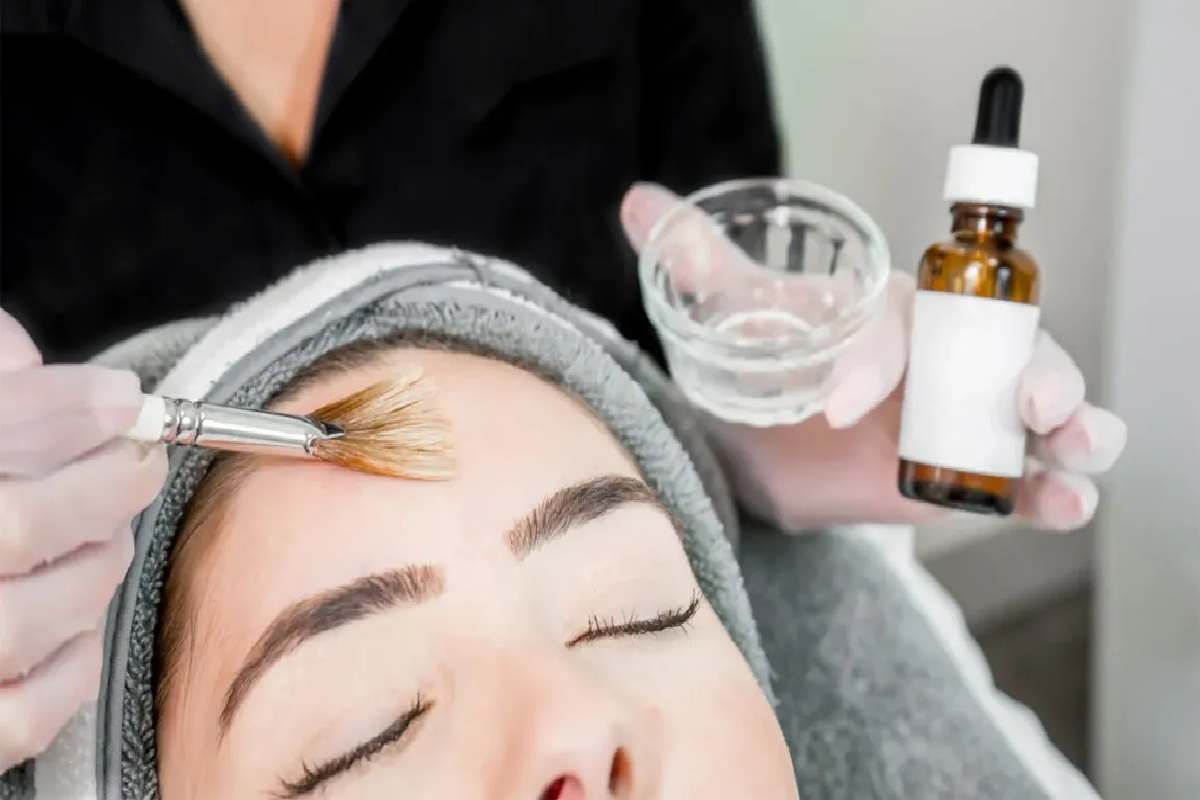
While injectable treatments are excellent for relaxing muscles and restoring volume, achieving a truly radiant, youthful appearance also requires addressing the skin’s surface. A professional chemical face peel remains one of the most reliable and effective methods for accelerating cellular turnover and restoring skin clarity. By applying a precisely calibrated acid solution to the skin, this treatment exfoliates damaged outer layers, revealing a smoother, firmer, and more evenly toned complexion beneath.
Table of Contents
Types of Chemical Peels
Chemical peels are categorized into three distinct levels based on their depth of penetration and the specific skin concerns they are designed to treat:
- Superficial Peels: Utilizing mild alpha- or beta-hydroxy acids (such as glycolic, lactic, or salicylic acid), these peels gently exfoliate the outermost epidermal layer. They are ideal for refining rough texture, controlling mild acne, and brightening a dull complexion with virtually zero downtime.
- Medium Peels: Formulated with trichloroacetic acid (TCA) or glycolic acid combinations, these treatments penetrate into the upper layers of the dermis. They are highly effective at correcting noticeable sun damage, deeper acne scars, fine lines, and stubborn hyperpigmentation.
- Deep Peels: Incorporating potent phenol solutions, these intensive treatments reach the deep dermal layers to address severe wrinkles, significant sun damage, and structural laxity. Due to their intensity, they require medical-grade sedation and an extended recovery period.
Benefits of Chemical Peels
The principal therapeutic value of professional exfoliation lies in its ability to trigger the skin’s natural healing and regenerative mechanisms.
By removing dead, damaged surface cells, a chemical peel significantly improves skin texture, minimizes the appearance of enlarged pores, and fades dark spots caused by sun exposure or melasma. Furthermore, the controlled exfoliation stimulates fibroblasts in the dermis to produce fresh collagen, which enhances overall skin elasticity and softens fine lines over time.
Procedure and Recovery
The treatment begins with a thorough cleansing of the face to remove excess oils, followed by the precise application of the selected chemical solution. Patients typically experience a warm, tingling, or stinging sensation while the acid interacts with the skin, which is often managed using a handheld cooling fan. Once the desired depth is reached, the solution is neutralized, and a soothing, protective balm is applied.
Navigating the Healing Phase
The post-treatment recovery timeline depends entirely on the depth of the peel performed:
- Superficial Peels: Result in mild redness and subtle flaking for 2 to 3 days, allowing patients to resume their normal routines immediately.
- Medium Peels: Cause the skin to turn deeply red and gradually flake or peel in sheets over a period of 7 to 10 days, requiring careful ointment application.
- Deep Peels: Involve significant swelling, crusting, and a recovery phase lasting 2 to 3 weeks, demanding strict medical aftercare.
Essential Aftercare Rules
To ensure proper healing and prevent hyperpigmentation, adhering to a strict aftercare routine is vital. Patients must keep the skin deeply hydrated with gentle, fragrance-free moisturizers and completely resist the urge to pick or peel loose skin flakes. Most importantly, because the newly revealed skin is highly sensitive, applying a broad-spectrum SPF 30+ sunscreen daily and avoiding direct sun exposure is absolutely mandatory.
A chemical face peel is a time-tested, scientifically proven treatment that effectively bridges the gap between basic skincare and invasive cosmetic surgery. By systematically renewing the skin from the inside out, it delivers a clearer, smoother, and noticeably more youthful complexion. Consulting a certified practitioner at a professional medical spa is the best way to determine the ideal peel formulation for your specific skin type and aesthetic goals