
Table of Contents
Introduction
A health faucet is best understood as a hygiene control system, not a bathroom accessory—and choosing the right one depends more on usage, pressure, and safety than on price or finish.
Most people buy a health faucet because it’s common, cheap, or already installed. That’s the problem. When chosen poorly, it causes leaks, injuries, and daily frustration. When chosen correctly, it becomes one of the most hygienic and practical bathroom tools you’ll use every day. This guide explains what actually matters—beyond glossy product listings.
Key Takeaways
Hygiene gains depend on pressure control, not spray strength
Poor valves cause leaks and water damage
Usage habits vary by country and plumbing standards
Professional installers prioritize safety over aesthetics
The “best” health faucet depends on who uses it
What Is a Health Faucet (And What It Is Not)
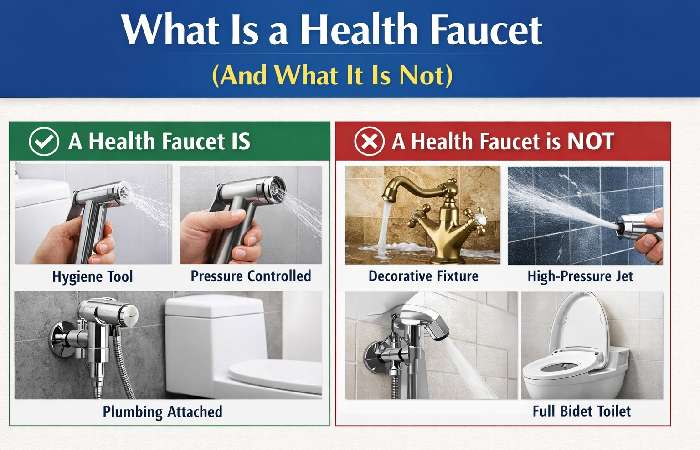
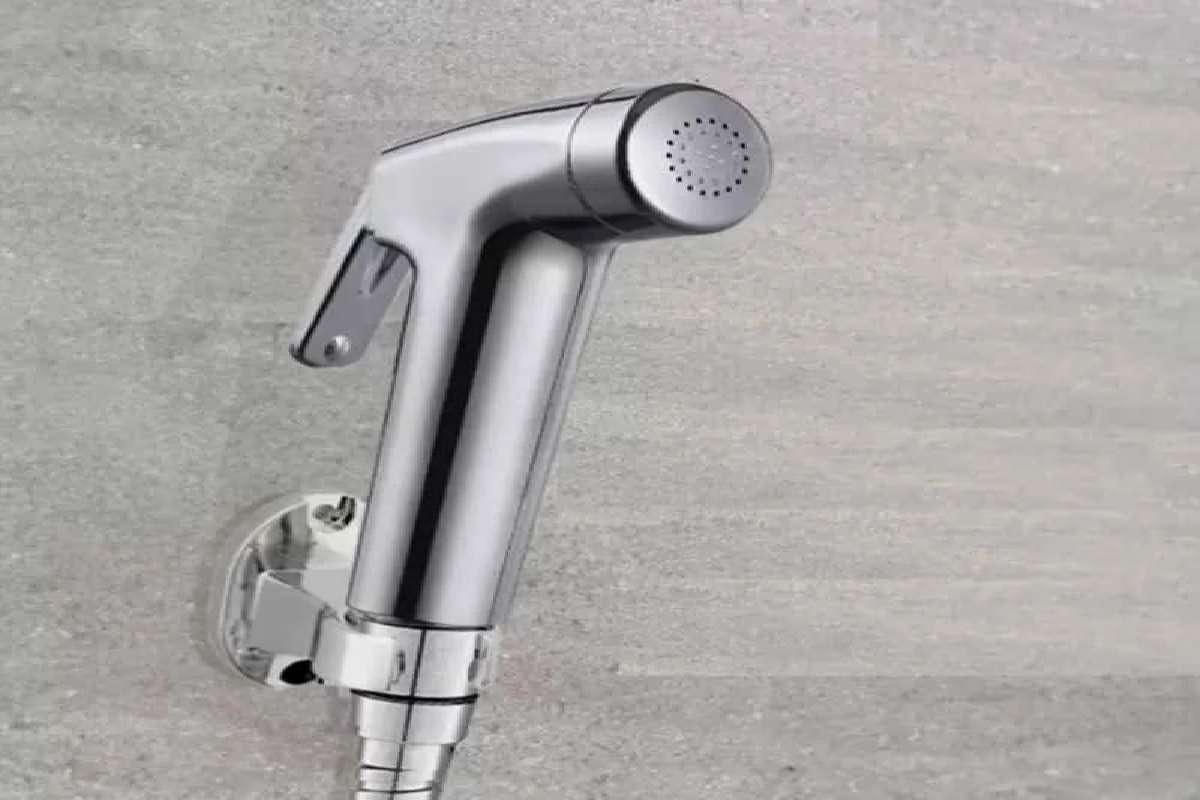
A health faucet—also called a jet spray or toilet spray—is a handheld water spray connected to a toilet’s water supply for personal cleaning after toilet use.
It is not:
It is:
A manual hygiene tool
A pressure-dependent system
A plumbing-linked safety device
Why Health Faucets Are Used Worldwide
Health faucets are popular because they:
Clean more effectively than dry wiping
Reduce skin irritation
Lower long-term paper consumption
However, adoption is cultural and infrastructural. In South and Southeast Asia, they’re standard. In parts of Europe and the US, bidets dominate due to different plumbing norms.
How a Health Faucet Actually Improves Hygiene
Water cleaning removes residue instead of spreading it. That’s the core advantage. But effectiveness depends on:
Controlled pressure (not force)
Proper angle of use
Consistent water quality
Failure pattern: high-pressure sprays cause splashback, discomfort, and micro-injuries—negating hygiene benefits.
Types of Health Faucets (By Use Case, Not Marketing)
Manual Trigger Faucets
Simple and affordable
Higher leak risk over time
Trigger-Lock / Auto-Shutoff Faucets
Better safety
Lower water waste
Material Comparison
| Type | Pros | Cons |
|---|---|---|
| ABS Plastic | Lightweight, cheap | Shorter lifespan |
| Stainless Steel | Durable, hygienic | Heavier, costlier |
Country-Wise Adoption, Pricing & Preferences
| Country | Adoption Level | Typical Price Range* | Common Setting |
|---|---|---|---|
| India | Very High | ₹400–₹2,000 | Homes, hotels |
| UAE | High | AED 25–120 | Residential |
| Japan | Medium | ¥2,000–¥8,000 | Secondary to bidets |
| Germany | Low | €20–€80 | Guest bathrooms |
| USA | Growing | $20–$70 | Retrofit homes |
Specialist Reviews: What Plumbers & Designers Say
Plumbers highlight:
Valve quality matters more than hose material
Leaks start at joints, not sprays
Bathroom designers note:
Wall-mounted holders reduce contamination
Matte finishes hide water stains better
Brand Comparison (Positioning-Based)
| Brand | Strength | Weakness | Best For |
|---|---|---|---|
| Jaquar | Reliable valves | Premium pricing | Hotels |
| Kohler | Ergonomic design | Cost | Modern homes |
| Grohe | Build quality | Limited models | Luxury |
| Hindware | Value | Fewer safety locks | Budget buyers |
| Roca | Design focus | Availability | Designer baths |
Installation, Safety & Maintenance Checklist
Install pressure-regulating valve
Avoid constant trigger locking
Clean nozzle weekly
Replace hose every 3–5 years
Keep out of children’s reach
Who Should (and Shouldn’t) Buy a Health Faucet
Good fit if:
You value water-based hygiene
Plumbing pressure is controllable
Not ideal if:
Water pressure is extreme
Elderly users need automated controls
User Reviews Summary
| Review Aspect | What Users Commonly Say | Positive Signals | Negative Signals |
| Ease of Use | Simple to operate and convenient for daily hygiene | Smooth trigger, comfortable grip | Stiff trigger, awkward angle |
| Water Pressure Control | Works best with moderate, controlled pressure | Even spray, no splashback | Too powerful, causes discomfort |
| Hygiene & Comfort | Cleaner and gentler than toilet paper | Reduced irritation, fresher feel | Splash issues if poorly designed |
| Build Quality | Long-lasting when valve quality is good | Solid fittings, leak-free joints | Hose cracking, loose connections |
| Leakage Over Time | Major deciding factor in reviews | No dripping after months/years | Slow leaks after short use |
| Installation Experience | Easy with proper fittings | Fits standard plumbing | Needs plumber due to mismatched threads |
| Value for Money | Mid-range models rated highest | Durable for the price | Cheap models fail early |
| Overall Satisfaction | Depends on safety + reliability | “Set it and forget it” experience | Frequent repairs, water wastage |
Final Verdict
A health faucet works best when treated as a hygiene system—not a cheap add-on. Choose based on users, pressure, and safety, not just brand or finish.
FAQs
1. Is a health faucet more hygienic than toilet paper?
Yes. Water cleaning removes residue more effectively than dry wiping when pressure is controlled properly.
2. Can a health faucet cause injuries?
Yes, if pressure is too high or used incorrectly. Pressure regulation is essential.
3. How much does a good health faucet cost?
Quality consumer models typically range from budget to mid-range pricing depending on country and brand.
4. Is stainless steel better than plastic?
For durability and hygiene, yes—but valve quality matters more than material.
5. Does a health faucet increase water usage?
Not significantly when used correctly. It often reduces paper consumption.
6. Is it suitable for children?
Only with low-pressure settings and supervision.
7. Can I install it myself?
Basic installation is possible, but professional fitting reduces leak risk.
8. Are health faucets common in the US?
They’re growing in popularity, especially in retrofit bathrooms.
9. How long does a health faucet last?
With proper care, 5–10 years depending on usage and water quality.
10. Should hotels install health faucets?
Yes—when safety valves and quality fittings are used.