
Table of Contents
Product snapshot & brand claims
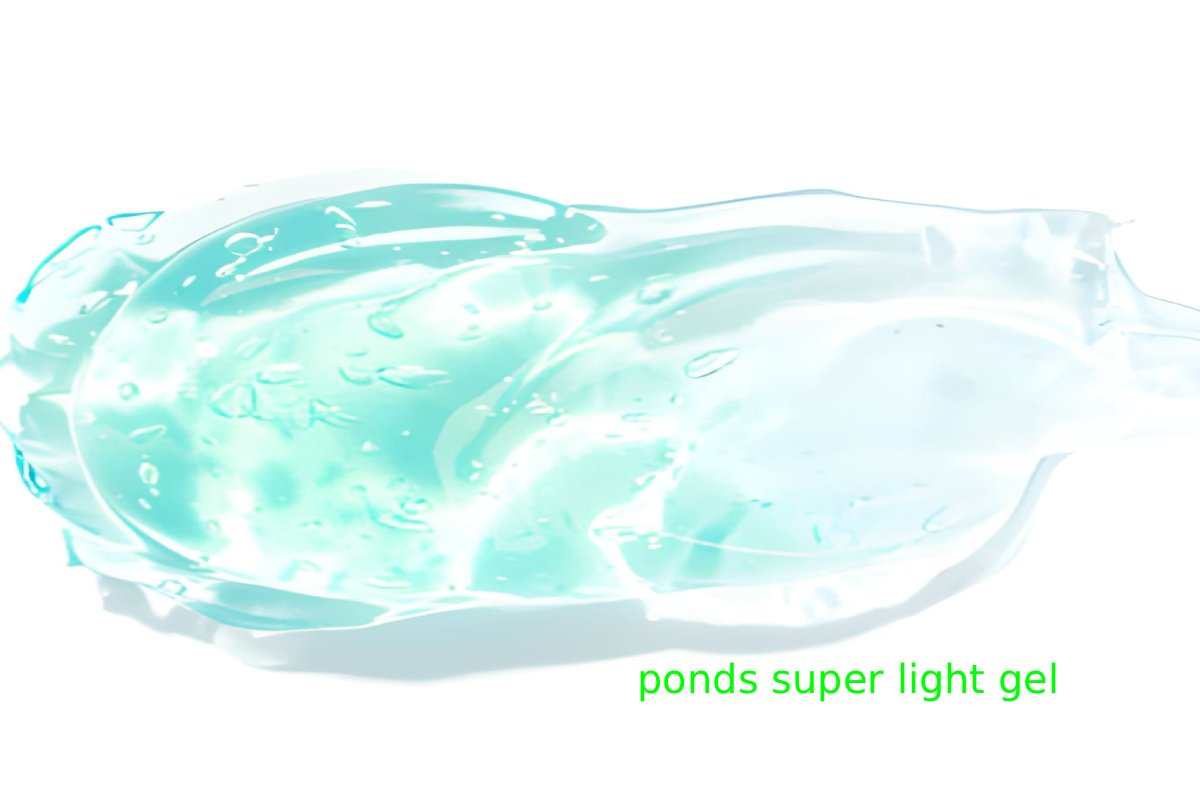
Product: Pond’s Super Light Gel (formats: 50 g / 100 g / 200 g). Product marketing highlights “Hyaluronic Acid + Vitamin E,” “48HR hydration,” and “water-light formula.”
What users search for: suitability for oily/acne-prone skin, pore-clog risk, seasonal performance, ingredient safety, and whether it can replace heavier moisturizers or night creams.
What it actually is (formulation classification)
Category: silicone-based gel-cream (high water phase + low lipid load + silicone occlusive). It feels like a gel but contains dimethicone and texture polymers characteristic of gel-cream emulsions. This explains the “light” feel with a thin protective layer.
Why that matters: pure water gels (no occlusives) evaporate faster; heavy creams (lipid-rich) provide barrier repair. Pond’s sits between — offering comfort and reduced shine rather than long-term barrier rebuilding.
Key ingredients & functional logic
Below is a functional summary (not just an ingredient list):
Humectants: Glycerin, Butylene Glycol, Hyaluronic Acid — pull and hold water in the stratum corneum for immediate plumping and softness. Hyaluronic acid is a key skin moisture molecule with validated water-retaining capacity.
Silicones: Dimethicone — provides a breathable occlusive film that slows water evaporation without heavy lipids; improves skin feel and wear under sunscreen/makeup. Silicone reduces TEWL in many cosmetic contexts but is protective rather than reparative.
Niacinamide (if present in variant lists) — skin tone/brightening/anti-inflammatory benefits when included; presence varies by market/variant.
What’s intentionally absent: ceramide-rich lipids, cholesterol, and fatty alcohols common in barrier-repair creams — their omission keeps texture light but limits barrier restoration.
Takeaway: the formula is designed for fast cosmetic hydration + oil control, not for repairing chronic barrier dysfunction.
Evidence on performance & TEWL
Hyaluronic acid — widely supported as an effective humectant that increases skin hydration (reviewed in dermatology literature).
Dimethicone — used as a protective occlusive; evidence on TEWL effects varies by model and condition (some studies show protective effects; results depend on formulation and skin condition). In practice, dimethicone reduces surface water loss without adding oiliness.
Who benefits — precise skin-type & climate mapping
Use this decision matrix (copyable):
Best fit (Buy): Oily & combination skin in hot, humid, coastal climates; users who want light AM hydration under sunscreen/makeup.
Conditional (Use-with-caution): Dehydrated-oily skin — can help if paired with occlusive at night or richer treatment in PM.
Avoid / Not recommended: Dry, chronically barrier-damaged, or flaky skin; those needing long-term repair or living in dry, cold, air-conditioned climates.
Climate data that explains user reports
Example humidity context: Delhi average relative humidity ~67% (varies seasonally; monsoon spikes much higher), Kolkata summer humidity was reported ~74.4% in recent analyses — these high-humidity conditions amplify humectant performance and reduce perceived need for heavy lipids. Users in such regions often prefer lighter textures.
Correct application & layering
AM: Cleanse → 1 pea-sized dot of Super Light Gel → SPF (apply after gel sets 30–60s). The silicone base layers well with most chemical and mineral sunscreens.
PM: If skin is dry or barrier-compromised, follow with a richer occlusive or barrier-repair product (contains ceramides/fatty acids) — this product alone may be insufficient overnight.
Quantity rule: Use less than instinctively applied; overapplication creates surface tack and may trap sebum.
Common failure modes (diagnostic checklist)
If users say “it stopped working” or “it made me break out,” check:
Seasonal change: moved from humid to dry climate → humectants need occlusives.
Overuse: too much product causes surface congestion.
Fragrance sensitivity: mass-market formulations often include fragrance — causes irritation for sensitive users.
Underlying barrier issue: lack of ceramides means product won’t repair barrier → dryness and irritation persist.
Competitor positioning (function-first comparison)
How this product optimizes vs typical alternatives:
Optimized for comfort, oil control, and price (mass market).
Not optimized for barrier repair (vs ceramide creams) or clinically targeted treatment (vs prescription topicals).
Long-term use (6–12 week) expectations
First 2–3 weeks: visible plumping/softness if environment humid.
4–12 weeks: benefits usually plateau; if barrier needs repair, signs of tightness/dry patches may appear — at which point add a barrier repair product or alternate seasonally.
Safety & regulatory notes (India)
“Dermatologically tested” is a marketing term; regulatory compliance ensures product safety for general use but does not guarantee suitability for every sensitive or medically compromised skin. For active conditions, consult a dermatologist.
Evidence & source list (top references)
Pond’s official product page (ingredients/claims).
INCIDecoder — ingredient INCI breakdown & functional notes.
Hyaluronic acid review — mechanism & hydration evidence.
Dimethicone/occlusive literature (TEWL & protective use).
Climate/humidity context for India (city humidity averages & reporting).
FAQ block
Q: Is Pond’s Super Light Gel good for oily skin?
A: Yes — it’s optimized for oily/combination skin, offering light humectant hydration and a non-oily finish. Best in humid climates; may be paired with a richer PM product if skin is dehydrated.
Q: Will Pond’s Super Light Gel clog my pores?
A: Generally low risk — formula uses silicones and low lipids to avoid greasiness. Overuse or layering on a compromised skin barrier can increase congestion risk.
Q: Can I use it at night?
A: You can, but it may be insufficient for overnight repair in dry climates — pair with a ceramide or occlusive cream at night if your skin is dry.
Q: Does it work in winter or in AC?
A: It performs less well in low-humidity environments; add a barrier repair product or switch to a richer moisturizer when humidity drops.
Q: Is it fragrance-free / safe for sensitive skin?
A: Many users report a mild fragrance; sensitive users should patch test due to irritation risk.
(You can use these Q&As verbatim for PAA/FAQ schema.)
Key takeaways
Function: Light humectant + silicone occlusive = immediate comfort, not repair.
Best for: Oily/combination skin in humid climates.
Not for: Dry/compromised barriers or long-term night repair.
Seasonality: Rotate to richer products in winter/AC environments.
Dynamic disclaimer
This article synthesizes product information, ingredient analyses, scientific literature, and user reports current as of January 20, 2026. It is informational and not medical advice. Individual reactions vary — if you have severe acne, dermatitis, or persistent sensitivity, consult a dermatologist before changing your routine.